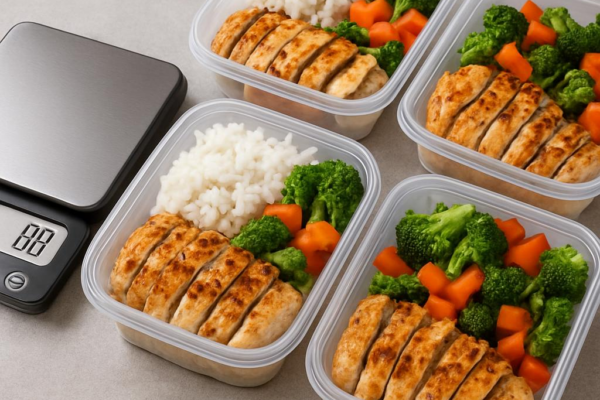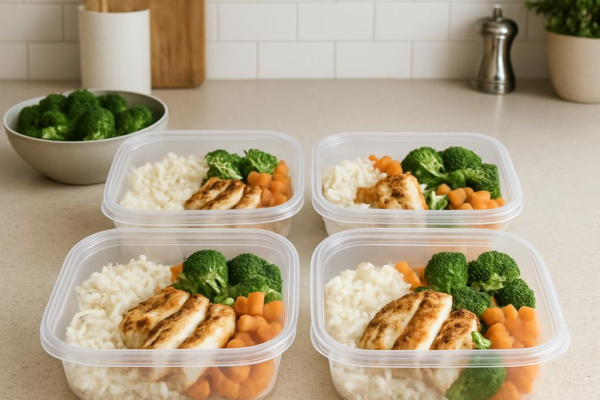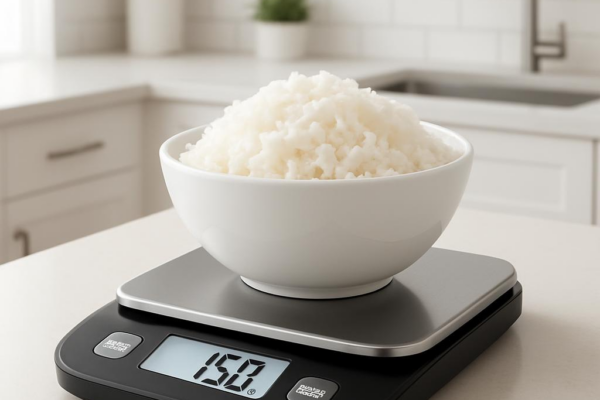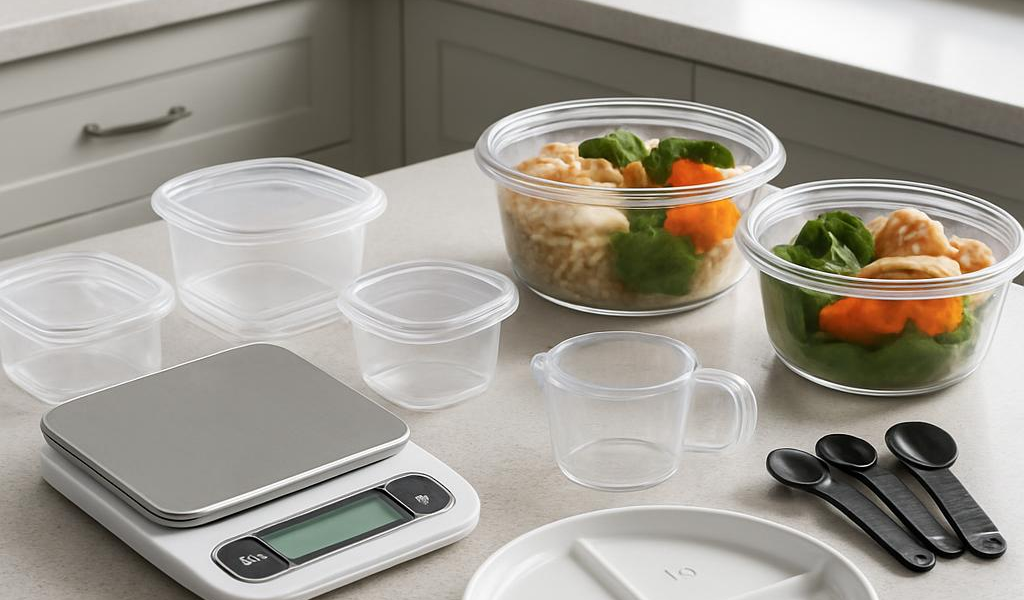
If you want faster kitchen buying decisions, start here. This page is the shortest path through Pick Wisely’s kitchen-scale comparisons, meal-prep guides, and portion tools.
In a few minutes, you can choose the right scale for your use case, open the most relevant calculator, and move into the practical guides that explain the workflow behind the numbers.
Who This Start Page Helps Most
Best for:
- People who want one reliable daily-use kitchen scale.
- Users balancing baking, meal prep, and calorie tracking.
- Shoppers who value simple controls and fast tare workflow over gimmicks.
Not ideal for:
- Buyers looking for commercial or lab-grade equipment.
- Users who only want app-connected smart-scale features.
Step 1: Pick by your use case
- Best Kitchen Scales (overall comparison)
- Best Kitchen Scale for Baking
- Best Kitchen Scale for Meal Prep
- Best Food Scale for Counting Calories
Step 2: Use the right free calculator
- Kitchen Scale Converter for cup-to-gram and kitchen measurement cleanup.
- Meal Prep Portion Calculator for splitting a cooked batch into repeatable portions.
- Protein Portion Converter for turning raw or cooked protein weights into practical servings.
Step 3: Read the practical guides
- How to Use a Food Scale for Counting Calories and Portion Control
- Raw to Cooked Chicken Weight Conversion
- How to Build Balanced Meal Prep Bowls With a Kitchen Scale
How Pick Wisely Builds This Content
Pick Wisely combines product specifications, practical workflow analysis, retailer information, category norms, and direct use observations where available. Not every page is based on the same type of evaluation, so the goal is to explain tradeoffs honestly rather than overstate certainty.
3-Step Setup for Better Tracking Accuracy
- Place the empty container first and press tare before adding ingredients.
- Use grams as your default unit whenever possible for better consistency.
- Log your portions immediately after weighing so you do not rely on memory later.
Common Mistakes to Avoid
- Weighing with unstable containers that shift during measurement.
- Switching between ounces and grams mid-recipe without noting conversions.
- Skipping tare between ingredients, which creates compounded errors.
Helpful Kitchen Calculators
Use these free tools to apply what you just read and plan portions faster.
Quick FAQ
What makes a kitchen scale good for daily use?
Stable readings, quick tare, a clear display, and easy cleanup matter most for everyday cooking and meal prep.
Can one scale work for baking and meal prep?
Yes. A dependable digital model with gram precision usually covers both workflows well.
Is a higher price always better?
No. Practical usability and consistent readings usually matter more than extra features.