Glass vs Plastic Meal Prep Containers (2026): Which Is Better?
If you are deciding between glass and plastic meal prep containers, the answer is not simply that one is always better. The better material depends on what you cook, how often you reheat food, how far you carry your meals, and how much weight you are willing to deal with during the week.
Quick FAQ
Is glass or plastic better for meal prep?
Glass is usually better for reheating and odor resistance, while plastic is lighter and often cheaper.
How many containers should I buy to start?
Most people can start with 5 to 8 containers and scale up based on weekly prep volume.
Do all containers leak-proof equally?
No. Lid design and seal quality vary a lot, so check real-use leak performance before buying.
Best For / Not Ideal For
Best for:
- People meal-prepping multiple days at once.
- Users who care about leak resistance and reheating convenience.
- Shoppers comparing long-term durability vs upfront price.
Not ideal for:
- People who rarely batch-cook and need only one container.
- Users prioritizing ultra-light carry over durability.
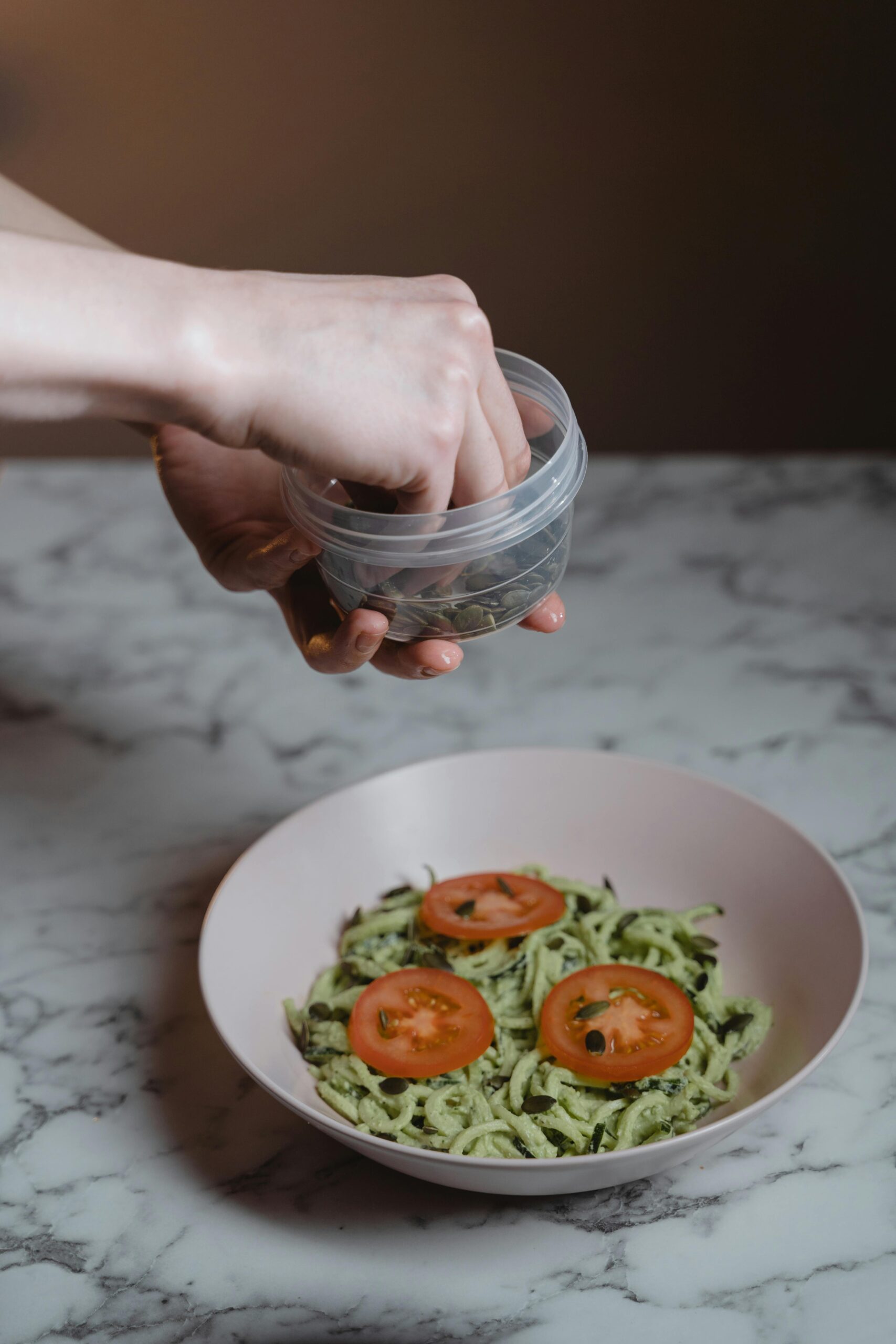
This is one of the clearest buyer-intent questions in the Kitchen space right now. Searchers are no longer just looking for “containers.” They want a decision shortcut. They want to know which material makes more sense for lunch prep, freezer use, leftovers, portion control, and everyday storage. That is exactly the question this guide answers.
If you want product picks first, read our best meal prep containers guide. If you already know glass is your likely direction, continue with our best glass meal prep containers guide.
Quick Verdict
Glass is better if you reheat food often, care about odor resistance, and want containers that stay looking cleaner over time. Plastic is better if you want lighter containers, lower upfront cost, and easier everyday portability. For many readers, the real answer is mixed use: glass at home, plastic when weight matters.
[pw_technique_table headers=”Decision factor|Why it matters”]
[pw_technique_row label=”Reheating” value=”If you microwave meals frequently, the material choice matters more over time.”]
[pw_technique_row label=”Weight” value=”Glass can feel excellent at home but annoying in a bag with several meals.”]
[pw_technique_row label=”Odor and staining” value=”Some foods make plastic look and smell old much faster than glass.”]
[pw_technique_row label=”Budget and replacement cost” value=”Plastic sets are often cheaper, while glass can cost more to build out in volume.”]
[/pw_technique_table]
Fast Decision Rule
If you want the shortest answer, use glass when reheating and long-term cleanliness matter more than weight. Use plastic when portability, lower cost, and easier carrying matter more than reheating comfort. Many people will get the best result by mixing both: glass for home-based batch meals and plastic for grab-and-go lunches.
Glass vs plastic meal prep containers comparison
[pw_comparison_table headers=”Factor|Glass|Plastic|Better choice”]
[pw_comparison_row cells=”Microwave reheating|Usually more comfortable for repeated reheating|Depends heavily on product guidance|Glass”]
[pw_comparison_row cells=”Weight for commuting|Heavier|Lighter and easier to carry|Plastic”]
[pw_comparison_row cells=”Stain and odor resistance|Usually stronger|More likely to stain or hold smells over time|Glass”]
[pw_comparison_row cells=”Break resistance|Can crack or shatter if dropped|Usually more forgiving on impact|Plastic”]
[pw_comparison_row cells=”Long-term appearance|Often stays cleaner-looking|Can cloud, stain, or look worn faster|Glass”]
[pw_comparison_row cells=”Upfront cost|Often higher|Usually lower|Plastic”]
[/pw_comparison_table]
When glass is the better choice
Glass is better when your routine is built around reheating leftovers, storing saucy meals, or keeping food in the same container from fridge to microwave to table. It is also better if you cook foods that tend to leave stains or strong smells behind. Tomato sauces, curries, garlic-heavy dishes, chili, and oily leftovers all make glass more appealing over time.
It also tends to feel better for home-centered meal prep. If you mostly prep, store, and reheat at home, the weight penalty matters much less.
For this use case, Rubbermaid Brilliance Glass is the best place to start. It has a better chance of feeling like a true upgrade rather than just a heavier storage set.
When plastic is the better choice
Plastic still makes sense if your weekly routine involves movement. If you carry breakfast, lunch, snacks, or post-gym meals with you, lighter containers are easier to live with. They also make more sense if you like buying larger sets without spending as much upfront.
Plastic can also be more forgiving when containers get dropped or tossed into a busy bag. For readers who care most about portability and price, plastic remains a rational choice rather than a compromise.
That is why Rubbermaid Brilliance plastic remains a very strong all-around recommendation even for people who know glass has some real advantages.
What about food safety?
Material matters, but safe use matters more. The FDA says some plastic containers should not be used in microwave ovens unless the product is designed for that purpose. So if you choose plastic, the safest approach is to follow the product guidance rather than assuming every container is equally microwave-friendly. See the FDA guidance here.
Storage habits matter too. The USDA recommends refrigerating leftovers promptly and sealing them in suitable containers. Good lids and proper cooling habits matter whether you choose glass or plastic. Review the USDA leftovers guidance here.
Pros and Cons
Glass pros
- Better for repeated reheating.
- Better against stains and lingering odors.
- Often feels cleaner and more durable over time.
Glass cons
- Heavier for commuting and stacked lunches.
- More expensive in many sets.
- Can break if dropped.
Plastic pros
- Lighter and easier to carry.
- Usually cheaper.
- Often easier to buy in larger sets for batch prep.
Plastic cons
- Can stain or retain food odors.
- Not every container is equally suited for repeated microwave use.
- Can look worn faster with heavy use.
Who should buy what?
- Choose glass if you prep at home, microwave in the same container, and want cleaner long-term use.
- Choose plastic if you need light lunches, larger sets, and a lower upfront spend.
- Use both if you want glass for batch-cooked dinners at home and plastic for grab-and-go lunches.
If portion control is part of the decision, pair your setup with our Meal Prep Portion Calculator and best food scale for counting calories guide. If you still want a broader shortlist, return to our best meal prep containers article.
What to know before you decide
Do not choose based on ideology. Choose based on friction. If carrying heavy containers would annoy you every day, plastic is probably the better buy. If microwaving in plastic makes you second-guess the setup every week, glass is probably worth the extra weight.
Also pay attention to shape. Material is only one part of the decision. Rectangular, stackable, medium-size containers tend to make weekly prep easier no matter what they are made from.
FAQ
Are glass meal prep containers better than plastic?
Glass is better for reheating, stain resistance, and odor resistance. Plastic is better for low weight and lower cost. The better choice depends on your routine.
Are plastic meal prep containers safe?
They can be, but you should only microwave plastic containers that are designed for microwave use and follow the product guidance carefully.
What lasts longer, glass or plastic meal prep containers?
Glass usually holds up better in terms of appearance and odor resistance, while plastic is usually more forgiving when dropped.
Should I use glass or plastic for lunch prep?
If you carry food every day, plastic is often more convenient. If you mostly prep and reheat at home, glass often feels better long term.
Quick Pick by Routine
- You reheat most meals at home: choose glass.
- You carry meals daily: choose plastic.
- You batch-cook dinners at home but carry weekday lunches: use both.
Final Verdict
Glass vs plastic meal prep containers is not a trend debate. It is a routine decision. Glass wins for reheating, odor control, and long-term cleanliness. Plastic wins for lighter carry and lower cost. If you want the simplest answer, buy according to where the container spends most of its life: at home or in transit.
[pw_button url=”https://www.amazon.com/Rubbermaid-Brilliance-Storage-Containers-Pieces/dp/B08BR9HBZ3?tag=smartfind0a73-20″ style=”primary”]Check a Glass Pick[/pw_button]
[pw_button url=”https://www.amazon.com/Rubbermaid-2108390-Brilliance-24-Piece-Container/dp/B07X5Y11CB?tag=smartfind0a73-20″ style=”outline”]Check a Plastic Pick[/pw_button]
Helpful Kitchen Calculators
Use these free tools to apply what you just read and plan portions faster.