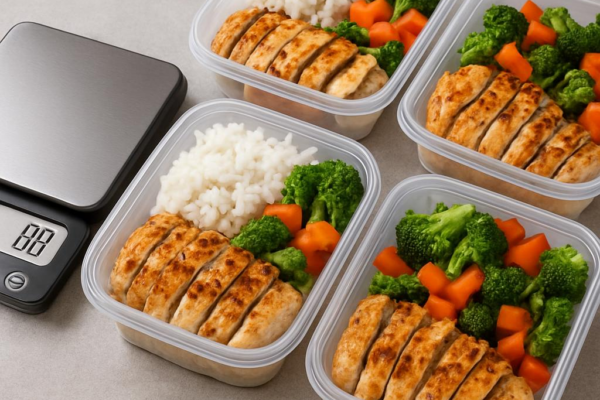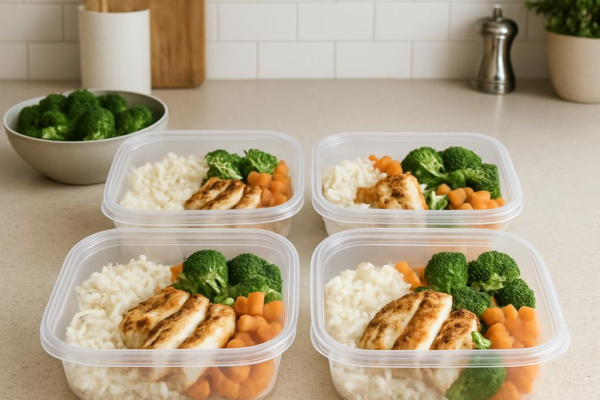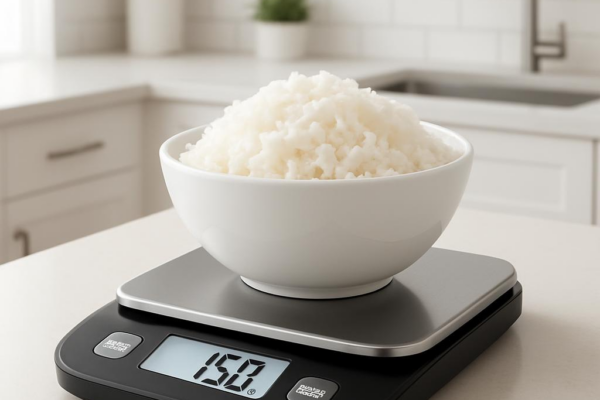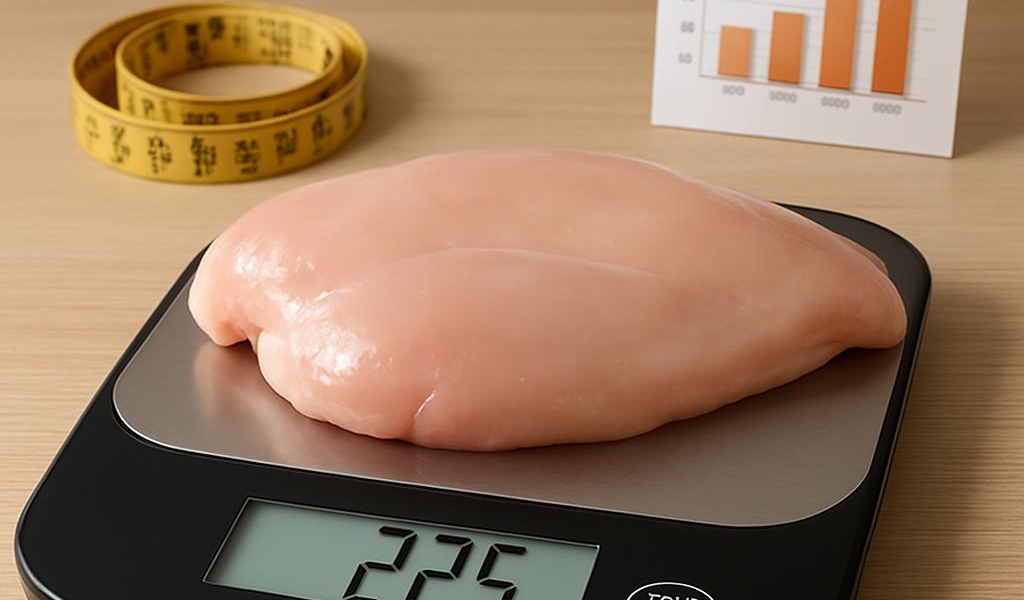
Understanding chicken breast protein portions in grams is essential for anyone striving to optimize nutrition, meet fitness goals, or prepare meals efficiently in the kitchen. Whether you weigh your raw chicken, utilize pre-portioned products, or plan bulk-cooked meals, accurate portioning is key to dietary control and minimizing food waste. This comprehensive buying guide offers expanded insights, practical examples, and expert advice to help you make informed choices that match your lifestyle, dietary needs, and kitchen constraints.
Quick FAQ
Should I track protein in grams or portions?
Use grams when possible for consistency, then map those grams to practical meal portions.
Raw or cooked weight: which one should I log?
Either works if you stay consistent and use the matching database entries each time.
How do I keep portions consistent week to week?
Use the same scale workflow, same logging method, and pre-portion meals right after cooking.
Best For / Not Ideal For
Best for:
- People tracking macros or protein intake consistently.
- Meal-prep users who want repeatable serving sizes.
- Beginners who need simple portion rules they can keep.
Not ideal for:
- People who prefer untracked intuitive eating all the time.
- Users expecting exact nutrition from eyeballing portions.
Quick Verdict
Accurately measuring chicken breast protein portions in grams enables precise nutrient tracking and consistent cooking outcomes. Your choice between kitchen scales, pre-portioned chicken breasts, or cooked meal packs should align with your routine, protein goals, and convenience preferences. Balance precision with ease of use, and always consider the weight difference between raw and cooked chicken. Investing in a quality kitchen scale or reliable pre-portioned chicken can significantly improve your meal prep efficiency and nutritional consistency.
Important context before you portion chicken by grams
This page is a kitchen-planning reference, not a medical nutrition prescription. Chicken breast protein values are useful estimates, but exact cooked yield and exact protein per serving can vary by raw size, trimming, brand, moisture loss, and cooking method.
Use the estimates here to portion meals more consistently, then weigh your actual cooked servings when precision matters more than speed.
How Pick Wisely approaches chicken-breast portions
The goal is to make raw-vs-cooked planning easier, not to imply that every chicken breast behaves the same way in the pan, oven, or air fryer. Practical repeatability matters more than pretending one number fits every kitchen.
Technical Snapshot
| Category | Verdict |
|---|---|
| Best for | Anyone seeking controlled protein intake and efficient kitchen workflow. |
| Main tradeoff | Measuring precision versus speed and convenience in portioning. |
| Buying focus | Scale precision, portion size relevance, labeling transparency, and kitchen setup compatibility. |
How to Choose
1. Define Your Protein and Meal Planning Objectives
Start by identifying your daily protein targets and how chicken breast fits into this goal. For instance, if you aim for 150 grams of protein per day, determine how many grams of chicken breast you need to consume to meet this target. A commonly used planning estimate is that 100g of cooked skinless chicken breast provides about 31g of protein, but treat that as a practical benchmark rather than an exact guaranteed value for every package or cooking method.
2. Selecting Measurement Methods and Products
Different approaches suit varied lifestyles and accuracy needs:
- Kitchen Scales: Offering the highest precision for measuring raw or cooked chicken breast. Ideal for those who want exact control over protein intake. Look for scales with gram accuracy, tare function, and capacity to handle portions from 100g to 500g.
- Pre-Portioned Chicken Breasts: Convenient and time-saving. Many brands provide clear labeling of exact weight and protein content per pack, simplifying dietary tracking.
- Cooked Portion Packs: Great for batch meal preparers, these come with cooked weights and protein details, but be mindful of moisture loss affecting weight.
- Smart Kitchen Thermometers and Tools: Some advanced thermometers offer integrated estimation of portion sizes while maintaining safe cooking temperatures.
3. Evaluate Your Kitchen Space and Setup
Consider your kitchen environment when choosing tools. Compact digital scales work well in limited space and promote daily use. For larger kitchens or batch cooks, room for bulk cooking equipment and storage is essential. Ensure the chosen method integrates naturally with your cooking routine.
4. Prioritize Labeling Transparency and Nutritional Information
When purchasing pre-portioned chicken, verify that packaging clearly states serving sizes, weights (raw and/or cooked), and protein amounts in grams. Packaging with transparent macronutrient details and quality certifications ensures you avoid guesswork and maintain consistent nutritional accuracy.
5. Assess Material Quality and Maintenance Needs
If selecting digital scales, opt for models with stainless steel or waterproof surfaces for easy cleaning after raw chicken handling. Battery life, durability, and ease of disassembly affect long-term maintenance and usability.
Best Use Cases
- Fitness Enthusiasts and Athletes: Benefit from precise measurements to hit protein goals critical for muscle maintenance and recovery.
- Busy Professionals and Families: Pre-portioned chicken breasts can simplify meal prep, saving time without sacrificing nutritional control.
- Meal Preppers and Batch Cooks: Kitchen scales or cooked portion packs ensure standardized servings over multiple meals, enhancing dietary consistency.
- Nutrition Beginners: Clear labeling and straightforward portions help build healthy habits and reduce confusion.
- Culinary Hobbyists: Appreciate accurate portioning to balance recipes and macros accurately when experimenting.
- Weight Management Seekers: Portion control aids in calorie monitoring and avoiding overeating.
Pros and Cons
Pros
- Precision in protein tracking: Supports meeting specific dietary goals and fitness objectives.
- Portion control: Helps avoid overeating and minimizes food waste.
- Flexibility: Kitchen scales allow variable portion sizes tailored to daily needs.
- Convenience: Pre-portioned packs save preparation time and simplify meal planning.
- Enhanced consistency: Promotes uniform cooking results and meal composition.
Cons
- Weight changes due to cooking: Moisture loss demands careful consideration of raw vs. cooked weights.
- Potentially higher costs: Pre-portioned chicken can be more expensive than bulk purchases.
- Scale maintenance: Requires cleaning and batteries; improper care reduces accuracy.
- Variable labeling quality: Inconsistent protein info on packaging can confuse tracking.
- Space requirements: Equipment and storage needs might challenge small kitchens.
Who Should Buy It
Understanding and accurately measuring chicken breast protein portions in grams benefits a diverse set of users. Athletes and bodybuilders who require precise protein intake benefit from kitchen scales. Busy individuals and families may prefer pre-portioned chicken breasts for convenience without sacrificing protein accuracy. Beginners wanting simple, clear nutrition paths will find pre-portioned options intuitive. Culinary professionals and hobbyists who experiment with recipes can utilize scales for consistent results. In summary, if optimizing your protein consumption and kitchen efficiency is a priority, investing in proper measurement tools or pre-portioned products is worthwhile.
What to Know
Raw Vs. Cooked Weight and Protein Calculation
Cooking chicken breast typically reduces its weight by 20-25% due to moisture loss; however, the total protein content remains largely unchanged. For example, 150g raw chicken breast might yield about 115g when cooked but retain almost the same protein grams. Weighing raw chicken is simpler for protein calculations; if weighing cooked chicken, adjust calculations using established conversion factors. Consistency in your measurement approach (always raw or always cooked) is critical to accurate tracking.
Standard Protein Values and Portion Guidelines
- 100g cooked chicken breast ? 31g protein
- 100g raw chicken breast ? 22-23g protein
- Average raw chicken breast size ranges between 120g and 200g
These serve as useful benchmarks for sizing your portions appropriately in alignment with daily protein targets. For a detailed reference, visit our Protein Serving Size Guide for Common Foods.
Choosing the Right Kitchen Scale or Tools
When selecting a kitchen scale, prioritize these features:
- Precision: At least 1g accuracy is essential for reliable portioning.
- Tare function: Allows subtracting container weight for pure food measurement.
- Capacity: Should comfortably measure up to 500g or more to cover portions and multiple servings.
- Easy cleaning: Waterproof or stainless steel surfaces facilitate hygiene, essential when handling raw poultry.
- Compact design: Encourages regular use and convenience in limited kitchen space.
- Battery life: Long-lasting or rechargeable options reduce frequent replacements.
Storage and Freshness Considerations
For pre-portioned chicken, proper storage is vital to maintain freshness and safety. Refrigerate portions promptly, use airtight containers or vacuum sealing, and adhere strictly to expiration dates. For bulk purchases, freezing individual portions can extend usable life and reduce waste.
Value for Money
Pre-portioned chicken breasts might carry a higher upfront price but offer convenience and reduce preparation time. Kitchen scales are a cost-effective one-time purchase that can save money by preventing overbuying and reducing waste. Your final buying decision should weigh convenience, accuracy requirements, cooking frequency, and budget.
Common Mistakes to Avoid
- Mixing raw and cooked weight measurements: This causes inaccurate protein tracking; be consistent with one method.
- Relying on estimates rather than precise tools: Can lead to exceeding or falling short of protein goals.
- Ignoring packaging details: Failing to check if weights are raw or cooked and missing protein content leads to confusion.
- Choosing unsuitable equipment: Avoid scales that are too bulky, lack precision, or are hard to clean.
- Neglecting proper storage: Can cause spoilage, health risks, and financial loss.
- Inconsistent measurement practices: Not noting if portions are weighed raw or cooked over time hampers progress tracking.
- Not considering moisture loss in cooking: Leads to improper serving size estimations.
How to Choose
Choosing the right chicken breast protein portions in grams is essential for anyone focused on nutrition, meal planning, or simply making smarter buying decisions in the kitchen. Here are key practical criteria to guide you:
1. Understand Your Protein Needs
Start by determining your daily protein requirements. Whether you’re a fitness enthusiast, someone managing weight, or an average eater, knowing how much protein you need per serving helps in selecting chicken breast portions that align with those goals. The protein in chicken breast serving sizes can vary, so choosing based on grams of protein ensures you meet dietary needs accurately.
2. Consider Serving Size Variability
Chicken serving size protein is not one-size-fits-all. Portions come in different weights-from small 100-gram cuts to larger 200-gram or more servings. Picking chicken breast protein portions in grams that fit your meal plan avoids waste and helps maintain consistent nutritional intake.
3. Evaluate Freshness and Cut Quality
Protein quantity matters, but quality impacts value for money. Fresh, high-quality chicken breasts tend to have better texture and nutrient preservation. Always check for firmness, minimal water retention, and absence of discoloration to ensure you’re buying better protein portions.
4. Source and Packaging Insights
Look for packaging that specifies weight and protein content clearly. Sometimes, buying from trusted suppliers or stores with transparent labeling on chicken breast protein grams helps avoid surprises in protein content. Also, consider organic or free-range options if your focus extends to dietary quality beyond protein counts.
5. Budget Within Setup Constraints
Buying decisions often consider cost versus protein yield. Within your kitchen setup constraints-such as freezer space and cooking equipment-opt for portion sizes that balance protein efficiency and affordability without causing unnecessary spoilage or waste.
Best Use Cases
Knowing chicken breast protein portions in grams allows you to tailor your purchase to specific scenarios. Here are common real-world use cases and the buying approach best suited for each.
Meal Prep for Fitness
For athletes or those focused on building muscle, consistently measuring protein in chicken breast servings is critical. Portions ranging from 150 to 200 grams typically provide between 30 to 40 grams of protein, ideal for post-workout meals. Buying pre-portioned chicken breasts or trimming to size helps maintain precise intake.
Weight Management
If your aim is weight loss or maintenance, smaller portions around 100 grams can keep protein intake moderate while controlling calorie consumption. Accurate knowledge of chicken breast protein grams ensures you won’t inadvertently exceed your macros.
Family Meals
When cooking for multiple people with varying appetites, choosing larger portions that can be divided or shared helps. Understanding that each 100 grams of chicken breast offers roughly 31 grams of protein allows easy scaling for family dinners or batch cooking.
Convenience Cooking
For busy individuals seeking quick but nutritious meals, purchasing chicken breasts already portioned to the typical protein serving size can save preparation time. This setup simplifies tracking protein intake without the hassle of weighing each serving.
Common Mistakes to Avoid
Buying chicken breast protein portions in grams can seem straightforward, but there are frequent pitfalls that buyers encounter. Avoiding these mistakes leads to better value and nutritional consistency.
Mistake: Ignoring Actual Weight vs. Label Weight
Some packaging includes water or additives that inflate weight but don’t contribute to actual protein. Relying solely on gross weight can mislead protein calculations. Instead, look for labels that specify protein content per serving and confirm that the weight is net chicken meat.
Mistake: Overlooking Serving Size Variability
Assuming every chicken breast portion contains the same protein grams leads to inconsistent meal planning. Use a kitchen scale or pre-portioned packs to accurately judge the protein in chicken breast serving sizes and avoid under or overconsuming.
Mistake: Buying Without Checking Freshness
Prioritizing protein numbers but ignoring freshness and quality can reduce taste and food safety. Smelly or slimy chicken should always be avoided, regardless of its protein promise.
Mistake: Forgetting to Factor in Cooking Loss
Cooking causes moisture loss, which concentrates protein but reduces overall weight. Don’t base your protein intake solely on raw weight measurements. Adjust for cooking methods and expected shrinkage when estimating protein portions post-cooking.
Mistake: Choosing Portion Size Without Intent
Selecting chicken breast protein portions in grams arbitrarily without considering your dietary goals or how the protein fits into total meals can confuse your nutrition tracking and reduce value for money. Always align portion sizes with your core tool and protein serving intent.
By keeping these practical suggestions in mind, you can make smarter buying decisions regarding chicken breast protein portions and enhance your meal planning and nutrition.
FAQ
What should you check first when buying chicken breast protein portions in grams?
First, verify whether the weight measurements correspond to raw or cooked chicken breast, as this greatly impacts protein value. Also, ensure the scale or package clearly states accuracy and portion size that matches your protein targets.
Which type of chicken breast protein portions in grams makes the most sense for beginners?
Beginners benefit most from pre-portioned chicken breasts with clear labeling of weight and protein content. These reduce complexity and help establish consistent portion control habits without requiring additional tools.
What mistakes should you avoid when choosing chicken breast protein portions in grams?
Avoid guesswork, disregarding differences between raw and cooked weights, ignoring package label details, and selecting equipment that is inconvenient or difficult to maintain-these factors undermine accurate protein tracking and meal prep consistency.
Is chicken breast protein portions in grams worth it for everyday use?
Yes. For anyone committed to consistent nutrition tracking or structured meal prep, accurately managing protein portions by grams enables you to meet dietary goals efficiently, control calories, and reduce food waste, enhancing overall health outcomes.
How can I adjust portion sizes if I prefer measuring cooked chicken?
When measuring cooked chicken, apply a conversion factor since cooking reduces weight by about 20-25%. Generally, weigh your cooked portions, then divide by 0.75 or 0.8 to estimate raw weight, or track protein using cooked weight references. Consistency in this approach is key to accuracy.
Can I use volumetric measurements instead of weight for chicken breast protein portions?
While volume measurements (cups, slices) are possible, they are less accurate than weight due to varying densities and shapes of meat. Weighing chicken gives the most reliable protein calculations.
Final Verdict
Mastering chicken breast protein portions in grams significantly improves both nutritional precision and kitchen efficiency. Your choice between high-quality kitchen scales or pre-portioned chicken breasts depends on your cooking style, nutritional goals, and available kitchen space. Avoid common pitfalls such as mixing raw and cooked weights or relying on unclear nutrition labels. By committing to consistent, accurate portioning practices, you ensure balanced meals, reduce food waste, and optimize your protein intake without guesswork.
For additional insights, explore our How Much Protein Per Meal? Practical Guide to Optimize Your Intake and How to Portion Cooked Chicken for 5 Meals. To start precise portioning at home, browse our curated selection of reliable kitchen scales and related tools available in the free tools hub.
Ready to enhance your kitchen precision? Consider adding a high-quality digital kitchen scale to your cooking arsenal today to gain full control over your chicken breast protein grams and overall nutrition management.
Helpful Kitchen Calculators
Use these free tools to apply what you just read and plan portions faster.