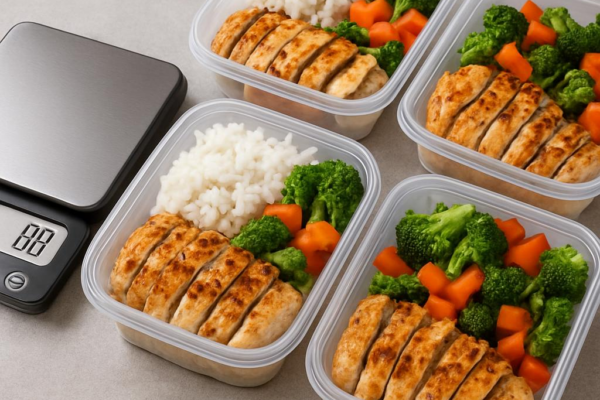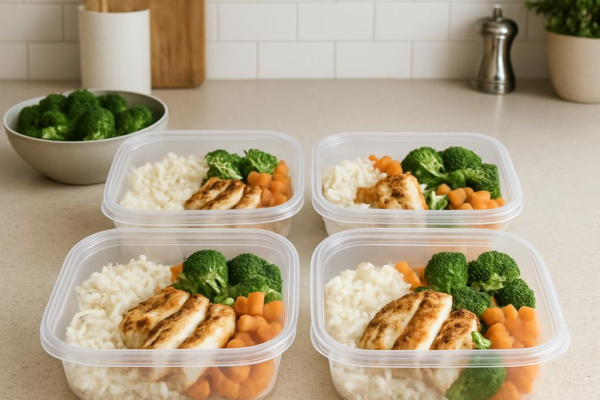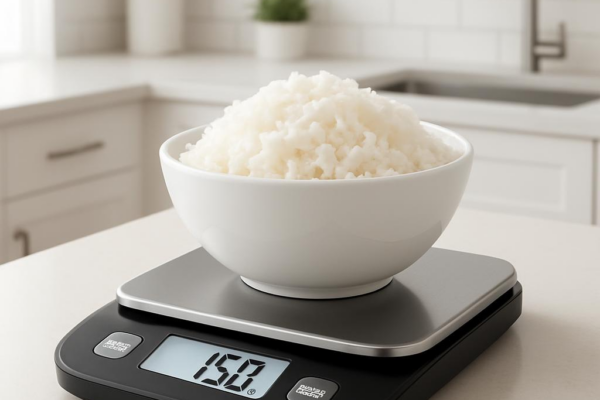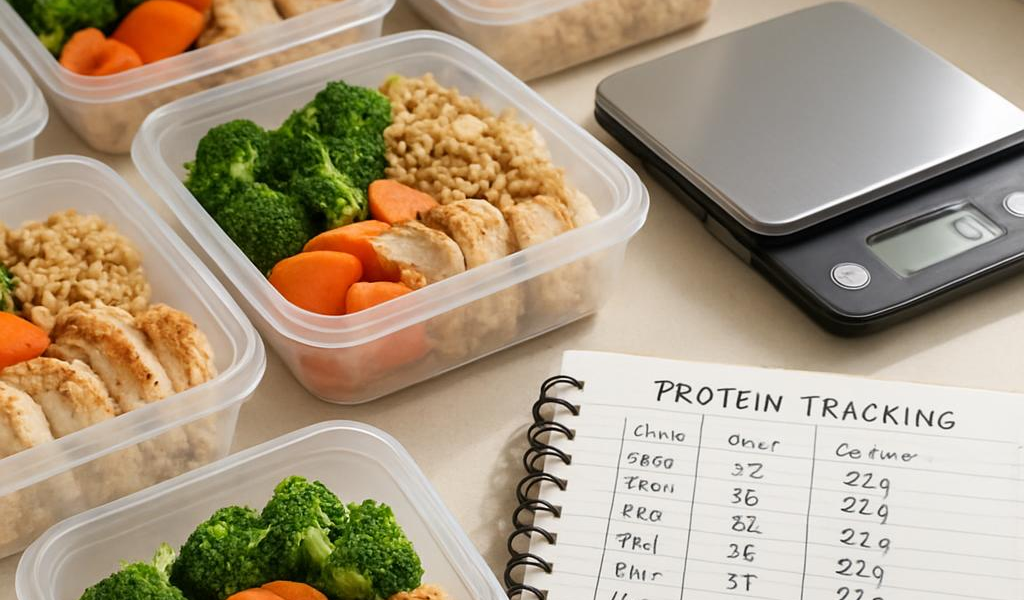
Determining how much protein per meal you should consume can often feel confusing with the abundance of varying recommendations. Protein intake is a cornerstone of nutrition that supports muscle maintenance, repair, metabolic health, and overall well-being. Whether you’re cooking in your kitchen or selecting convenient protein sources, understanding the optimal protein per meal amount is indispensable for good health.
Quick FAQ
Should I track protein in grams or portions?
Use grams when possible for consistency, then map those grams to practical meal portions.
Raw or cooked weight: which one should I log?
Either works if you stay consistent and use the matching database entries each time.
How do I keep portions consistent week to week?
Use the same scale workflow, same logging method, and pre-portion meals right after cooking.
Best For / Not Ideal For
Best for:
- People tracking macros or protein intake consistently.
- Meal-prep users who want repeatable serving sizes.
- Beginners who need simple portion rules they can keep.
Not ideal for:
- People who prefer untracked intuitive eating all the time.
- Users expecting exact nutrition from eyeballing portions.
This guide emphasizes the core tool and protein serving intent by outlining precise serving sizes tailored to your needs, aligning protein portions with lifestyle factors, and guiding the selection of kitchen tools and strategies that simplify portioning and meal prep. Our goal is to empower you with practical knowledge for informed decisions both nutritionally and in your kitchen routine.
Quick Verdict
Many adults use a rough planning range of about 20 to 40 grams of protein per meal, but the exact optimal protein per meal still depends on individual factors such as body weight, age, activity level, meal frequency, and overall dietary goals. Treat that range as a practical starting point rather than a universal rule.
Accurate and consistent portioning is essential, with kitchen tools like digital scales, portion containers, and measuring cups playing a key role in supporting adherence to nutritional targets. These tools form a reliable foundation for meal prep efficiency and nutritional precision.
| Category | Verdict |
|---|---|
| Best for | Anyone seeking to balance muscle repair, satiety, and daily nutrition goals. |
| Main tradeoff | Balancing per meal protein amounts versus total daily intake and meal frequency. |
| Buying focus | Selecting kitchen tools that provide precision, ease-of-use, and durability. |
| Setup constraints | Tool size, cleaning ease, and material quality influence user experience. |
| Value for money | Prioritize accuracy and multifunctionality over low price alone. |
Important context before you use these numbers
This page is educational and kitchen-practical, not personal medical advice. Protein needs vary by body size, age, activity level, appetite, total daily intake, and health conditions. Use these ranges as planning guidance, then adjust based on your own routine or professional advice when needed.
If you have kidney disease, a medically prescribed diet, or a condition that requires tighter nutrition control, treat this page as general background only and follow your clinician’s guidance first.
How Pick Wisely approaches protein-per-meal guidance
The goal here is not to prescribe one exact protein number for everyone. The goal is to turn broad nutrition ranges into practical meal-prep decisions using serving sizes, food examples, and kitchen tools that make portions easier to repeat.
How to Choose the Right Approach for Optimal Protein per Meal
1. Assess Your Unique Nutritional Needs and Lifestyle
Your ideal protein per meal varies based on body weight, sex, age, activity level, and specific health goals. For example, highly active athletes or those seeking muscle growth often benefit from protein intakes of 30-40 grams per meal. Meanwhile, older adults aiming to prevent muscle loss or sedentary individuals can find benefits in the 20-25 grams range.
A pragmatic approach is to consider consuming approximately 0.25 to 0.40 grams of protein per kilogram of body weight per meal. For instance, a 75 kg adult consuming three meals per day might target 25-30 grams at each meal. Adjustments are essential if you include snacks or practice intermittent fasting.
2. Factor in Meal Frequency and Protein Distribution
The number of meals you consume daily impacts how you should distribute protein. In a traditional three-meal pattern, larger protein portions per meal support anabolic signaling. In contrast, those eating 4-6 smaller meals should aim for moderate protein quantity consistently throughout the day.
Research indicates that spreading protein intake fairly evenly encourages optimal muscle protein synthesis. Aim for protein doses within the 20-40 gram range per meal, adjusted depending on your personal patterns.
3. Choose Kitchen Tools That Enhance Accuracy and Convenience
Precision tools can dramatically improve consistency and ease when managing protein per serving meal. Consider these options:
- Digital kitchen scales: Vital for accurate weighing of raw/cooked protein foods. Look for compact models with tare functions and reliable accuracy to the gram.
- Portion control containers: Perfect for meal prepping with segregated compartments and measurement markings to help maintain balanced macro distributions.
- Measuring cups and spoons: Useful for supplementing protein powders, legumes, nuts, and seeds frequently consumed in volume measures.
- Food tracking apps: Combine weighed inputs with nutrient databases for comprehensive intake logging and feedback.
Choose tools made from durable, food-safe materials such as stainless steel and BPA-free plastics. Ensure they fit your kitchen space and cleaning habits to maximize usage compliance.
4. Understand Variability in Common Protein Sources
Protein content varies substantially by source and preparation method. Awareness of these differences solidifies your buying decision and meal prep efficiency:
- 3 ounces (85 grams) cooked chicken breast ? 25 grams of protein
- 1 large egg ? 6 grams of protein
- 1 cup cooked lentils ? 18 grams of protein
- 100 grams firm tofu ? 8-10 grams protein (varies by brand)
- 1 scoop (30 grams) whey protein powder ? 20-25 grams protein
Factor in cooking losses and water retention, which may slightly alter final protein content, especially for meats and legumes.
Best Use Cases for Managing Protein Per Meal
- Muscle Growth and Maintenance: Consuming 30-40 grams of protein per meal with even distribution optimizes muscle protein synthesis, crucial for athletes and aging adults combating muscle loss.
- Weight Management and Satiety: Protein-rich meals increase feelings of fullness, helping reduce calorie intake and stabilize blood sugar levels throughout the day.
- Meal Preppers and Busy Individuals: Portion containers and digital scales streamline prep workflows, ensuring nutrient consistency and saving time.
- Nutrition Beginners: Simple tools combined with clear intake goals provide structure without complexity, supporting gradual nutrition literacy development.
- Vegetarian and Vegan Diets: Measuring combined plant protein servings ensures sufficient intake of essential amino acids within the optimal protein per meal range.
- Older Adults: Higher per meal protein intake (approaching 40 grams) may be necessary to combat anabolic resistance and maintain muscle mass.
Pros and Cons of Concentrating on Protein Portions Per Meal
Pros
- Enhances muscle repair and growth: Proper protein doses stimulate anabolic processes efficiently.
- Supports appetite control and weight management: Protein promotes satiety and can help reduce snacking.
- Promotes balanced nutrient timing: Spread intake helps maintain energy and recovery throughout the day.
- Facilitates precise meal planning and tracking: Enables customized nutrition strategies based on individual goals.
- Improves dietary mindfulness: Encourages awareness of both quantity and quality of protein sources.
Cons
- Individual variability challenges: Protein requirements differ widely; fixed targets may not suit everyone consistently.
- Potential for excessive protein intake: Overconsumption can stress kidneys or displace other nutrients if unchecked.
- Added meal prep complexity: Weighing and measuring demand additional time and effort, which can deter habitual use.
- Initial cost outlay: Quality kitchen tools require upfront investment, though they often pay off long term.
- Possibility of rigidity: Strict gram counts could negatively affect food enjoyment or flexibility when not balanced wisely.
What to Know When Measuring Your Protein Per Meal
Protein Quality Matters as Much as Quantity
Aim for complete proteins containing all essential amino acids, such as animal meats, dairy, eggs, or thoughtfully combined plant proteins (e.g., rice and beans). This ensures optimal muscle repair and metabolic function.
Cooking Methods Impact Protein Availability
Overcooking meat can denature proteins reducing their digestibility, while soaking legumes can boost nutrient absorption. Be mindful of how preparation affects protein content.
Adjust Goals Based on Activity and Life Stage
Protein needs fluctuate with exercise intensity, aging, pregnancy, and illness. Regularly review your intake and adjust meal protein targets accordingly.
Consistency Trumps Precision in Long Term
While measuring is useful, focus on sustainable habits and balanced diets over obsessing on exact gram counts every day.
Common Mistakes to Avoid When Managing Protein Intake Per Meal
1. Estimating Portions by Eye
Visual estimates are often inaccurate, risking too little or excessive protein. Use kitchen scales and portion containers routinely to achieve your protein per serving meal targets reliably.
2. Ignoring Total Daily Intake
Optimal per meal protein is ineffective without a holistic view of your daily protein. Plan the total intake distributed evenly across meals and snacks.
3. Overlooking Protein Quality
Quantity alone is insufficient. Focus on complete, digestible proteins and combining plant sources for vegetarians/vegans to cover essential amino acids.
4. Using Inconvenient or Fragile Tools
Select kitchen tools that fit your workflow, space, and maintenance capabilities. Avoid devices that are hard to clean, large, or easily damaged.
5. Failure to Adapt to Changing Needs
As your activity level, age, or health status changes, reassess your protein per meal intake to keep it aligned with current goals.
Practical Examples and Real-World Applications
Sarah’s Scenario: Sarah weighs 68 kg and wants to consume 90 grams of protein daily. Eating three meals, she targets ~30 grams per meal. She uses a digital scale to weigh 4 ounces of cooked chicken breast (~28 grams of protein) plus a small side of quinoa (~2 grams) with each meal. This routine helps her consistently meet her protein goals.
Mike’s Case: Mike, a 55-year-old man aiming for weight loss, divides his intake into four meals, each with 25 grams of protein to maintain muscle while reducing fat. Portion control containers marked for protein amounts simplify meal prep, helping him avoid overeating and stay on track.
Emma’s Example: Emma follows a vegan diet and ensures complementary proteins. She combines 100 grams of tofu (~9 grams) with a half cup of cooked lentils (~9 grams) and other plant sources to reach about 25 grams of protein per meal. She logs these in a food-tracking app and weighs them with a digital scale for accuracy.
Frequently Asked Questions (FAQ)
What should you check first when buying how much protein per meal guidance tools?
Look for tools that offer precise and consistent measurement, are easy to clean and maintain, fit your kitchen space, and complement the types of protein you commonly prepare. Durability and intuitive use are also important to ensure long-term adherence.
Which type of how much protein per meal measurement makes the most sense for beginners?
Beginners benefit from a basic digital kitchen scale combined with portion control containers. This setup offers straightforward, tangible feedback on serving sizes without overwhelming technical details, allowing a gradual learning curve.
What mistakes should you avoid when choosing how much protein per meal?
Avoid guesswork, neglecting your total daily protein needs, choosing cumbersome or low-quality tools, and ignoring protein source quality. These errors can impede progress and lead to nutrient imbalances.
Is how much protein per meal worth it for everyday use?
Absolutely. Maintaining optimal protein per meal supports muscle health, recovery, and satiety, which contribute to improved overall health and fitness outcomes when accounted for alongside total daily intake.
How to Choose
Understanding how much protein per meal is right for you depends on a few key factors-your daily goals, lifestyle, and how you prefer to consume protein. When shopping for protein sources or supplements, keep these practical buyer criteria in mind to help make the best buying decision.
Consider Your Protein Serving Intent
Think about your core tool and protein serving intent. Are you looking for a quick protein boost post-workout, a meal replacement, or an addition to your regular dinner? Products differ widely in protein per serving meal, so choose accordingly. For example, a protein powder might offer 20-30 grams per scoop, suitable for muscle recovery, while a ready-to-eat meal might provide moderate protein alongside carbs and fats.
Evaluate Setup Constraints
Assess practical setup constraints such as preparation time, storage, and portability. If you value convenience, ready-to-drink protein shakes or bars with balanced protein per meal portions can fit your lifestyle. On the other hand, whole foods like chicken or legumes require more prep but offer additional nutrients and value for money.
Assess Nutritional Balance
It’s essential to look beyond just protein quantity. Optimal protein per meal should complement your overall nutrition strategy. Look for options that align with your caloric needs, dietary preferences, and ingredient quality to support sustainable habits.
Check Serving Size and Label Transparency
Be wary of products that advertise high protein content but have impractically large serving sizes or vague label information. Understanding how much protein per meal you actually consume per serving can help avoid over- or underestimating intake.
Best Use Cases
Knowing how much protein per meal to consume varies based on your individual goals and lifestyle. Here are some typical scenarios and which protein intake approach might fit best.
For Active Individuals and Athletes
If you’re engaged in regular training, aiming for optimal protein per meal around 20-30 grams can promote muscle repair and growth. Protein shakes or high-protein meals work well here, especially when consumed soon after exercising.
For Weight Management
Higher protein meals with moderate calories can increase satiety and help manage appetite. In this case, balancing protein per serving meal with fiber and healthy fats supports effective weight control without excessive calorie intake.
For Busy Professionals
Those with limited time may benefit from quick, portable protein options like bars or ready-made shakes. These provide efficient amounts of protein per meal and fit well into hectic schedules, ensuring you meet nutrient needs reliably.
For Vegetarians and Vegans
Plant-based protein sources often require combining foods or choosing fortified products to meet your protein requirements. Understanding how much protein per meal comes from various sources helps avoid deficiencies and supports overall health.
For Older Adults
Maintaining muscle mass is key in later years, so optimal protein per meal might be slightly higher or more evenly spaced throughout the day. Whole food proteins paired with light supplementation can be effective.
Common Mistakes to Avoid
Avoiding certain pitfalls can improve how you approach protein intake and purchasing decisions.
Overestimating Portion Needs
A frequent mistake is consuming excessive protein per meal under the assumption that more is always better. This can lead to wasted resources and imbalance in your diet. Instead, focus on realistic amounts aligned with your body size and activity.
Ignoring Quality for Quantity
Selecting products based solely on protein numbers without considering ingredient quality or digestibility can be counterproductive. Choose sources with complete amino acid profiles when possible and avoid heavily processed options packed with additives.
Neglecting Meal Timing
Not thinking about when you consume protein can reduce its benefits. For example, spreading protein intake evenly over meals rather than consuming vast amounts at once can optimize muscle synthesis.
Relying on Supplements Alone
While supplements are convenient, depending exclusively on them ignores the benefits of whole foods. Aim to balance supplement use with natural protein sources to gain additional nutrients and better value for money.
Disregarding Individual Needs
What works best for one person may not suit another. Avoid blanket approaches and consult nutrition information thoughtfully, adjusting your protein per meal intake based on your unique goals and real-world use.
Pros and Cons
Pros
- Gives readers a practical starting range for protein per meal instead of vague nutrition advice.
- Works well with the Protein Portion Converter because readers can turn the guidance into food portions quickly.
- Supports different goals, including muscle maintenance, weight management, meal prep, and everyday balanced eating.
Cons
- Protein needs still vary by body size, activity level, age, and medical context.
- Packaged foods and protein powders can have different serving sizes, so labels still need to be checked.
- Readers with kidney disease, pregnancy-specific nutrition needs, or clinical dietary restrictions should ask a qualified professional.
Who Should Buy It
This guide is most useful for readers who want a simple way to estimate how much protein per meal they should plan before buying protein-rich foods, meal-prep containers, a kitchen scale, or protein supplements. It is especially useful if you already cook at home and want meals that are easier to repeat.
It also fits beginners who do not want to track every nutrient in detail but still want better portion awareness. If you need clinical nutrition advice, use this article as general education only and verify your target with a qualified professional.
What to Know
The best protein target is not only about one meal. Total daily intake, meal timing, food quality, and consistency matter together. A practical plan usually starts with a realistic per-meal range, then uses a kitchen scale or portion converter to translate that target into foods you actually eat.
For searchers comparing protein portions, the most useful next step is to choose a common target such as 25, 30, or 40 grams and check what that looks like across chicken breast, Greek yogurt, eggs, tuna, tofu, lentils, cottage cheese, or protein powder.
FAQ
How much protein should I eat per meal?
Many adults use a practical range of 20 to 40 grams of protein per meal, but the right number depends on body weight, activity, age, and daily goals.
Is 30 grams of protein per meal enough?
For many people, 30 grams is a useful target because it is realistic for breakfast, lunch, or dinner and can support satiety and muscle maintenance when daily intake is adequate.
Can I use a kitchen scale for protein portions?
Yes. A kitchen scale helps you weigh foods consistently, then compare the portion with a nutrition label or a reliable food database.
Should I get protein from food or supplements?
Whole foods should usually do most of the work because they bring other nutrients. Protein powders or bars can help when convenience matters, but they should not replace every meal.
Final Verdict
Determining how much protein per meal you require centers on balancing typically 20 to 40 grams tailored to your weight, activity, and goals. Employing accurate, user-friendly kitchen tools such as digital scales and portion containers can greatly enhance your meal prep accuracy and overall nutritional success.
Make purchasing decisions with attention to tool durability, ease of use, size, and cleaning convenience. Avoid the common pitfalls of inaccurate portioning, disregarding overall protein needs, or selecting unsuitable tools that interfere with your lifestyle.
For more practical protein tracking help, read Raw to Cooked Chicken Weight Conversion, How Much Chicken Per Meal for Meal Prep?, and try the Protein Portion Converter if you want a faster serving estimate.
Ready to streamline your protein portions and meal preparation? Discover top-rated kitchen tools and expert recommendations at our tools hub for enhanced nutritional planning made simple.
Helpful Kitchen Calculators
Use these free tools to apply what you just read and plan portions faster.
Next step after this guide
If you already know your protein target, use the Protein Portion Converter or the Meal Prep Portion Calculator to turn the target into actual servings. If you still need a scale, start with the Best Kitchen Scales Comparison 2026.