If you are deciding between glass and plastic meal prep containers, the answer is not simply that one is always better. The better material depends on what you cook, how often you reheat food, how far you carry your meals, and how much weight you are willing to deal with during the week.
Quick FAQ
Is glass or plastic better for meal prep?
Glass is usually better for reheating and odor resistance, while plastic is lighter and often cheaper.
How many containers should I buy to start?
Most people can start with 5 to 8 containers and scale up based on weekly prep volume.
Do all containers leak-proof equally?
No. Lid design and seal quality vary a lot, so check real-use leak performance before buying.
Best For / Not Ideal For
Best for:
- People meal-prepping multiple days at once.
- Users who care about leak resistance and reheating convenience.
- Shoppers comparing long-term durability vs upfront price.
Not ideal for:
- People who rarely batch-cook and need only one container.
- Users prioritizing ultra-light carry over durability.
This is one of the clearest buyer-intent questions in the Kitchen space right now. Searchers are no longer just looking for “containers.” They want a decision shortcut. They want to know which material makes more sense for lunch prep, freezer use, leftovers, portion control, and everyday storage. That is exactly the question this guide answers.
If you want product picks first, read our best meal prep containers guide. If you already know glass is your likely direction, continue with our best glass meal prep containers guide.
Quick Verdict
Glass is better if you reheat food often, care about odor resistance, and want containers that stay looking cleaner over time. Plastic is better if you want lighter containers, lower upfront cost, and easier everyday portability. For many readers, the real answer is mixed use: glass at home, plastic when weight matters.
[pw_technique_table headers=”Decision factor|Why it matters”]
[pw_technique_row label=”Reheating” value=”If you microwave meals frequently, the material choice matters more over time.”]
[pw_technique_row label=”Weight” value=”Glass can feel excellent at home but annoying in a bag with several meals.”]
[pw_technique_row label=”Odor and staining” value=”Some foods make plastic look and smell old much faster than glass.”]
[pw_technique_row label=”Budget and replacement cost” value=”Plastic sets are often cheaper, while glass can cost more to build out in volume.”]
[/pw_technique_table]
Fast Decision Rule
If you want the shortest answer, use glass when reheating and long-term cleanliness matter more than weight. Use plastic when portability, lower cost, and easier carrying matter more than reheating comfort. Many people will get the best result by mixing both: glass for home-based batch meals and plastic for grab-and-go lunches.
Glass vs plastic meal prep containers comparison
[pw_comparison_table headers=”Factor|Glass|Plastic|Better choice”]
[pw_comparison_row cells=”Microwave reheating|Usually more comfortable for repeated reheating|Depends heavily on product guidance|Glass”]
[pw_comparison_row cells=”Weight for commuting|Heavier|Lighter and easier to carry|Plastic”]
[pw_comparison_row cells=”Stain and odor resistance|Usually stronger|More likely to stain or hold smells over time|Glass”]
[pw_comparison_row cells=”Break resistance|Can crack or shatter if dropped|Usually more forgiving on impact|Plastic”]
[pw_comparison_row cells=”Long-term appearance|Often stays cleaner-looking|Can cloud, stain, or look worn faster|Glass”]
[pw_comparison_row cells=”Upfront cost|Often higher|Usually lower|Plastic”]
[/pw_comparison_table]
When glass is the better choice
Glass is better when your routine is built around reheating leftovers, storing saucy meals, or keeping food in the same container from fridge to microwave to table. It is also better if you cook foods that tend to leave stains or strong smells behind. Tomato sauces, curries, garlic-heavy dishes, chili, and oily leftovers all make glass more appealing over time.
It also tends to feel better for home-centered meal prep. If you mostly prep, store, and reheat at home, the weight penalty matters much less.
For this use case, Rubbermaid Brilliance Glass is the best place to start. It has a better chance of feeling like a true upgrade rather than just a heavier storage set.
When plastic is the better choice
Plastic still makes sense if your weekly routine involves movement. If you carry breakfast, lunch, snacks, or post-gym meals with you, lighter containers are easier to live with. They also make more sense if you like buying larger sets without spending as much upfront.
Plastic can also be more forgiving when containers get dropped or tossed into a busy bag. For readers who care most about portability and price, plastic remains a rational choice rather than a compromise.
That is why Rubbermaid Brilliance plastic remains a very strong all-around recommendation even for people who know glass has some real advantages.
What about food safety?
Material matters, but safe use matters more. The FDA says some plastic containers should not be used in microwave ovens unless the product is designed for that purpose. So if you choose plastic, the safest approach is to follow the product guidance rather than assuming every container is equally microwave-friendly. See the FDA guidance here.
Storage habits matter too. The USDA recommends refrigerating leftovers promptly and sealing them in suitable containers. Good lids and proper cooling habits matter whether you choose glass or plastic. Review the USDA leftovers guidance here.
Pros and Cons
Glass pros
- Better for repeated reheating.
- Better against stains and lingering odors.
- Often feels cleaner and more durable over time.
Glass cons
- Heavier for commuting and stacked lunches.
- More expensive in many sets.
- Can break if dropped.
Plastic pros
- Lighter and easier to carry.
- Usually cheaper.
- Often easier to buy in larger sets for batch prep.
Plastic cons
- Can stain or retain food odors.
- Not every container is equally suited for repeated microwave use.
- Can look worn faster with heavy use.
Who should buy what?
- Choose glass if you prep at home, microwave in the same container, and want cleaner long-term use.
- Choose plastic if you need light lunches, larger sets, and a lower upfront spend.
- Use both if you want glass for batch-cooked dinners at home and plastic for grab-and-go lunches.
If portion control is part of the decision, pair your setup with our Meal Prep Portion Calculator and best food scale for counting calories guide. If you still want a broader shortlist, return to our best meal prep containers article.
What to know before you decide
Do not choose based on ideology. Choose based on friction. If carrying heavy containers would annoy you every day, plastic is probably the better buy. If microwaving in plastic makes you second-guess the setup every week, glass is probably worth the extra weight.
Also pay attention to shape. Material is only one part of the decision. Rectangular, stackable, medium-size containers tend to make weekly prep easier no matter what they are made from.
FAQ
Are glass meal prep containers better than plastic?
Glass is better for reheating, stain resistance, and odor resistance. Plastic is better for low weight and lower cost. The better choice depends on your routine.
Are plastic meal prep containers safe?
They can be, but you should only microwave plastic containers that are designed for microwave use and follow the product guidance carefully.
What lasts longer, glass or plastic meal prep containers?
Glass usually holds up better in terms of appearance and odor resistance, while plastic is usually more forgiving when dropped.
Should I use glass or plastic for lunch prep?
If you carry food every day, plastic is often more convenient. If you mostly prep and reheat at home, glass often feels better long term.
Quick Pick by Routine
- You reheat most meals at home: choose glass.
- You carry meals daily: choose plastic.
- You batch-cook dinners at home but carry weekday lunches: use both.
Final Verdict
Glass vs plastic meal prep containers is not a trend debate. It is a routine decision. Glass wins for reheating, odor control, and long-term cleanliness. Plastic wins for lighter carry and lower cost. If you want the simplest answer, buy according to where the container spends most of its life: at home or in transit.
[pw_button url=”https://www.amazon.com/Rubbermaid-Brilliance-Storage-Containers-Pieces/dp/B08BR9HBZ3?tag=smartfind0a73-20″ style=”primary”]Check a Glass Pick[/pw_button]
[pw_button url=”https://www.amazon.com/Rubbermaid-2108390-Brilliance-24-Piece-Container/dp/B07X5Y11CB?tag=smartfind0a73-20″ style=”outline”]Check a Plastic Pick[/pw_button]
Helpful Kitchen Calculators
Use these free tools to apply what you just read and plan portions faster.
If you are deciding between Hero Mighty Patch Original and Micropoint for Blemishes, the key difference is not branding or price. It is breakout stage. These two products are built for different moments, so the better buy depends on whether the blemish is already at the surface or still forming under the skin.
Quick Verdict
Hero Mighty Patch Original is still the better choice for visible whiteheads and simple overnight use. Meanwhile, Micropoint for Blemishes is the more targeted option for earlier-stage spots that have not fully surfaced yet. In other words, these products solve different problems, so the best one depends on the spot you are treating.
[pw_technique_table headers=”Category|Best Pick”]
[pw_technique_row label=”Best for whiteheads” value=”Hero Mighty Patch Original”]
[pw_technique_row label=”Best for early-stage blemishes” value=”Hero Micropoint for Blemishes”]
[pw_technique_row label=”Best for simplicity” value=”Hero Mighty Patch Original”]
[pw_technique_row label=”Best for targeted treatment” value=”Hero Micropoint for Blemishes”]
[/pw_technique_table]
Comparison Table
[pw_comparison_table headers=”Feature|Hero Mighty Patch Original|Hero Micropoint for Blemishes” footer=”|[pw_button url=’https://www.amazon.com/dp/B0DNR8RF83?tag=smartfind0a73-20′ style=’primary’ size=’cta’]Shop Original[/pw_button]|[pw_button url=’https://www.amazon.com/dp/B0BPDBYRTZ?tag=smartfind0a73-20′ style=’primary’ size=’cta’]Shop Micropoint[/pw_button]”]
[pw_comparison_row cells=”Best use|Whiteheads and surface-level blemishes|Early-stage blemishes and under-the-skin bumps”]
[pw_comparison_row cells=”Patch format|Classic hydrocolloid patch|Micropoint-style targeted patch”]
[pw_comparison_row cells=”Best strength|Simple overnight performance|More targeted approach for harder-to-reach blemishes”]
[pw_comparison_row cells=”Main caution|Less useful for deeper early-stage spots|More specialized and not needed for every breakout”]
[/pw_comparison_table]
What Makes These Products Different?
Hero Mighty Patch Original uses the classic hydrocolloid approach. That works best when the blemish is already close to the surface. It is easy to apply, easy to understand, and beginner-friendly. Micropoint for Blemishes is narrower in scope. It is designed for earlier blemishes that feel like they are still developing.
When Original Is the Better Buy
Choose the original if you want the simpler and more versatile product. It is usually the better value for whiteheads, visible spots, and routine overnight use. If you want a fuller breakdown, our Hero Mighty Patch review covers the original patch in more detail.
When Micropoint Makes More Sense
Choose Micropoint if your main concern is the sore or early bump that has not fully surfaced. In that situation, a standard hydrocolloid patch can feel too basic. As a result, Micropoint becomes more relevant even if it is not the patch you will use most often.
Pros and Cons
Hero Mighty Patch Original
- Simple and beginner-friendly.
- Strong fit for whiteheads.
- Easy overnight option.
- Usually the better general-purpose buy.
Hero Micropoint for Blemishes
- More targeted for earlier-stage spots.
- Useful if standard patches are not enough for your breakout type.
- Helpful for a narrower, more specific use case.
Main Tradeoffs
- Original is less targeted for under-the-skin blemishes.
- Micropoint is more specialized and not as universally useful.
Who Should Buy Which One?
Buy Hero Mighty Patch Original if you want one dependable patch for common surface blemishes. Buy Micropoint if your most frustrating breakouts tend to start deeper and earlier. For a wider look at patch types and alternatives, see our best pimple patches guide or browse the Beauty category.
FAQ
What is better for whiteheads?
Hero Mighty Patch Original is usually the better pick for whiteheads because classic hydrocolloid patches work best when the spot is already at the surface.
What is better for blind pimples or early blemishes?
Micropoint for Blemishes is more relevant for early-stage spots that feel like they are forming under the skin.
Should I buy both?
Only if you regularly deal with both types of breakouts. Otherwise, it is usually smarter to buy the one that matches your most common acne pattern.
Final Verdict
Hero Mighty Patch Original vs Micropoint is not a case where one product wins for every person. The original remains the better all-around choice, while Micropoint is the better specialized option for the right kind of blemish. Therefore, the smartest buy is the one that matches the stage of breakout you deal with most often.
[pw_button url=”https://www.amazon.com/dp/B0DNR8RF83?tag=smartfind0a73-20″ style=”primary” size=”cta”]Shop Original[/pw_button]
[pw_button url=”https://www.amazon.com/dp/B0BPDBYRTZ?tag=smartfind0a73-20″ style=”outline” size=”cta”]Shop Micropoint[/pw_button]
External sources: Hero Micropoint product page, Yahoo coverage on Hero Micropoint.
The best pimple patches in 2026 are not all built for the same kind of blemish. Some work best on whiteheads that are ready to drain. Others are better for daytime wear or for early bumps under the skin. This guide compares the strongest options in a simple way so you can choose faster and buy more confidently.
Quick Verdict
For most people, a classic hydrocolloid patch is still the best starting point. Hero Mighty Patch Original remains the safest all-around pick for visible whiteheads. However, Rael is a strong lower-cost alternative. Meanwhile, Good Molecules is a practical everyday option if you want a simple pack for regular use.
[pw_technique_table headers=”Category|Top Pick”]
[pw_technique_row label=”Best overall” value=”Hero Mighty Patch Original”]
[pw_technique_row label=”Best budget-friendly alternative” value=”Rael Miracle Patch”]
[pw_technique_row label=”Best everyday value” value=”Good Molecules Pimple Patches”]
[pw_technique_row label=”Best targeted option” value=”Hero Micropoint for Blemishes”]
[/pw_technique_table]
Comparison Table
[pw_comparison_table headers=”Feature|Hero Mighty Patch Original|Rael Miracle Patch|Good Molecules Pimple Patches” footer=”|[pw_button url=’https://www.amazon.com/dp/B0DNR8RF83?tag=smartfind0a73-20′ style=’primary’ size=’cta’]Check Price[/pw_button]|[pw_button url=’https://www.amazon.com/dp/B07G1VKCND?tag=smartfind0a73-20′ style=’primary’ size=’cta’]Check Price[/pw_button]|[pw_button url=’https://www.amazon.com/dp/B0CTJMB37K?tag=smartfind0a73-20′ style=’primary’ size=’cta’]Check Price[/pw_button]”]
[pw_comparison_row cells=”Best use|Whiteheads and overnight treatment|Budget-friendly overnight spot care|Simple everyday hydrocolloid coverage”]
[pw_comparison_row cells=”Patch feel|Balanced thickness and reliable hold|Slightly thinner feel|Soft and straightforward”]
[pw_comparison_row cells=”Best strength|Easy to recommend and easy to use|Solid value per patch|Practical pack for frequent use”]
[pw_comparison_row cells=”Main caution|Not the least visible option for daytime|Less standout overall than Hero|More basic feature set overall”]
[/pw_comparison_table]
[pw_button url=”https://www.amazon.com/dp/B0DNR8RF83?tag=smartfind0a73-20″ style=”primary” size=”sm”]Shop Hero Original[/pw_button]
[pw_button url=”https://www.amazon.com/dp/B07G1VKCND?tag=smartfind0a73-20″ style=”outline” size=”sm”]Shop Rael[/pw_button]
[pw_button url=”https://www.amazon.com/dp/B0CTJMB37K?tag=smartfind0a73-20″ style=”outline” size=”sm”]Shop Good Molecules[/pw_button]
What Makes a Good Pimple Patch?
The best hydrocolloid acne patches do three things well. First, they stay in place. Second, they feel comfortable enough to wear for hours. Third, they match the stage of your breakout. A whitehead usually responds well to a standard patch, while an early under-the-skin blemish often needs a more targeted format.
Just as importantly, a good patch should be easy to remove and should not leave the area feeling overly irritated. That matters even more if you already use retinoids, salicylic acid, or benzoyl peroxide.
Our Top Picks
Hero Mighty Patch Original
Hero Mighty Patch Original is still the easiest option to recommend. It is beginner-friendly, dependable, and especially useful when the blemish has already come to the surface. As a result, it remains the strongest all-around pick for many people.
Rael Miracle Patch
Rael Miracle Patch makes sense if you want solid performance at a friendlier price. It covers the basics well and fits easily into a simple overnight routine. Although it does not feel quite as standout as Hero overall, it still delivers good value.
Good Molecules Pimple Patches
Good Molecules is a practical everyday option. The brand keeps the format simple, and that can be a plus if you want steady spot coverage without overthinking the choice. In most cases, this is the kind of patch you buy for routine use rather than for a premium feel.
Pros and Cons
Pros
- Pimple patches are easy to use, even for beginners.
- They can help reduce touching and picking.
- Classic hydrocolloid patches work well for visible whiteheads.
- You can find good options at several price points.
Cons
- Not every patch works equally well on deeper blemishes.
- Some patches are still too visible for daytime wear.
- Adhesion can vary depending on how clean and dry the skin is.
Who Should Buy These?
If you mainly deal with whiteheads, start with Hero Mighty Patch Original. On the other hand, if price matters more, Rael is an easy alternative to consider. If you patch spots often, Good Molecules can also make sense as a more routine option.
What to Know Before You Buy
Clean, dry skin matters more than many people expect. Patches usually work best when you apply them after cleansing and before heavier creams. Also, it helps to keep expectations realistic. A patch can support healing and protect the area, but it will not solve every form of acne on its own.
If you want a closer look at the original Hero patch, read our Hero Mighty Patch review. You can also browse our beauty product comparison or explore more posts in the Beauty category.
FAQ
Do pimple patches work on all breakouts?
No. Standard hydrocolloid patches work best on whiteheads or spots close to the surface. Deeper blemishes usually need a different approach.
What are the best pimple patches for whiteheads?
For many people, Hero Mighty Patch Original is still one of the best pimple patches for whiteheads because it is easy to use and reliable overnight.
What if I need a patch for daytime wear?
If lower visibility matters, start with our Hero Mighty Patch Invisible+ review. That option is better suited to daytime use.
Related Beauty Guides
If you want to stay inside the same beauty and breakout-care cluster, continue with our Hero Mighty Patch review, the Hero Mighty Patch Invisible+ review, and the Hero Mighty Patch Original vs Micropoint comparison.
For the wider routine context, see the best beauty products comparison and the full Beauty category.
Final Verdict
The best pimple patches in 2026 are the ones that match your breakout type and your routine. Hero Mighty Patch Original is still the safest overall starting point. However, Rael and Good Molecules both have a place if budget or frequent use matters more. Therefore, the smartest choice is the one that fits how you actually treat breakouts day to day.
[pw_button url=”https://www.amazon.com/dp/B0DNR8RF83?tag=smartfind0a73-20″ style=”primary” size=”cta”]Check Price on Amazon[/pw_button]
External sources: Yahoo Shopping best pimple patches roundup, NBC Select pimple patch picks.
Loop bands and tube bands are both useful, but they are useful in different ways. Choosing between them gets easier once you stop asking which one is universally better and start asking which one fits your workouts better.
For many home users, the answer depends on whether they want compact lower-body and activation work, or whether they want handle-based pushes and pulls that feel closer to simple gym cable exercises. Both styles can be effective, but they do not create the same training experience.
Quick Answer
Loop bands are usually better for activation work, compact lower-body training, and highly portable sessions. Tube bands are often better for handle-based full-body workouts, especially for beginners who want rows, presses, curls, and similar movements to feel more intuitive.
How Loop Bands Compare
Loop bands are simple, compact, and easy to pack. They are especially useful for glute work, mobility drills, lateral movement, warm-ups, and lower-body sessions in tight spaces. They can also be helpful for travel because they take up almost no room.
The limitation is that they are not always the easiest tool for people who want a broad handle-based full-body routine with more obvious pressing and rowing patterns.
How Tube Bands Compare
Tube bands with handles feel more familiar to many beginners because they resemble simplified cable exercises. They are useful for chest presses, rows, overhead presses, curls, triceps work, and general upper-body home workouts.
The tradeoff is that they often take slightly more setup and may be less convenient for the specific glute-activation and lower-body mini-band style sessions where loop bands shine.
Best Choice by Goal
For glutes, mobility, and activation: loop bands usually win.
For basic full-body beginner workouts: tube bands are often more intuitive.
For travel and minimal storage: loop bands are hard to beat.
For handle-based pushes and pulls: tube bands are usually the better fit.
What Beginners Often Prefer
Beginners who want very low-friction workouts often like tube bands because the handles make exercise positions easier to understand. Beginners who want compact lower-body work, rehab-style movement, or portable sessions often prefer loop bands.
Do You Need Both?
Not necessarily, but some home users eventually like having both because they cover different jobs well. If you only want one type to start, choose the style that best matches your most frequent workouts rather than trying to cover every possible scenario immediately.
Common Mistakes
- Buying loop bands when your real goal is handle-based full-body training
- Buying tube bands when your real focus is glute activation and compact lower-body work
- Choosing only one resistance level
- Expecting one band style to feel ideal for every exercise
Final Verdict
Loop bands are better for activation, portability, and compact lower-body sessions. Tube bands are better for beginner-friendly pushes, pulls, and more traditional home workout structure. The better option is the one that matches the exercises you actually plan to repeat. For many people, that practical fit matters more than the band style itself.
Quick decision: loop vs tube in 30 seconds
- Choose loop bands if you mainly train glutes, hips, and lower-body activation.
- Choose tube bands if you want push/pull upper-body movement variety with handles and door anchoring.
- Choose both if your goal is a complete home routine with progression options.
Exercise coverage comparison
Loop bands are strong for lateral walks, glute bridges, and squat activation. Tube bands are generally better for rows, presses, curls, and triceps work because handles improve grip comfort and movement control.
Progression strategy that actually works
- Start with 2–3 movement patterns and one resistance level you can control.
- Add reps first, then increase band tension.
- Track range of motion quality before adding more resistance.
- Rotate exercises every 4–6 weeks to avoid plateaus.
Safety and durability tips
- Inspect bands for cracks before each session.
- Anchor tube bands on stable points only.
- Avoid overstretching beyond the manufacturer range.
- Store away from heat and direct sunlight to preserve elasticity.
If you are comparing the best resistance bands for home workouts in 2026, the fastest way to choose is by matching the band style to your training level, your apartment or home space, and the exercises you will actually keep doing every week. Most people do not need the biggest kit. They need the right format for full-body workouts, beginner progress, and easy storage.
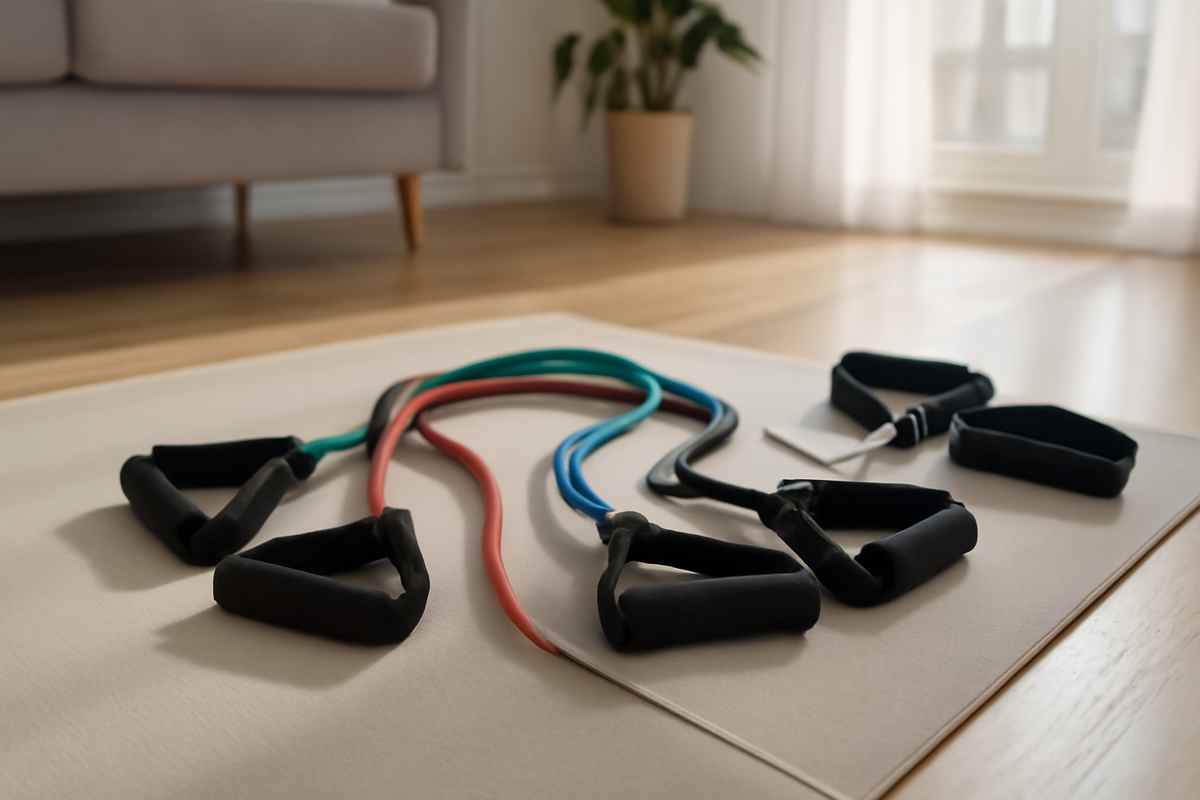
This page compares the best resistance bands for home workouts in 2026 by use case. Use it if you want the best pick for beginners, a stronger full-body setup, or a compact option for small spaces. If you still are not sure whether loop bands, tube bands, or mixed sets fit your routine, read Types of Resistance Bands for Home Workouts in 2026 before you buy.
- Best for beginners: lighter multi-level sets that make progression easier
- Best for strength and full-body training: versatile tube band kits with more exercise range
- Best for small spaces: compact bands that store easily and fit apartment workouts
Quick Verdict
Resistance band reviews: what matters most in 2026
The best resistance band reviews usually come down to three things: exercise variety, progression, and storage friction. A set that covers more movements and still fits in a drawer will help most home users more than a specialty band that only works for one corner of a routine.
If you are still deciding between styles, compare the main options in Types of Resistance Bands for Home Workouts in 2026 before you pick a set.
For most people, a multi-level tube band set is still the best overall choice for home workouts. It covers presses, rows, squats, hinges, and general full-body training more easily than a single-purpose option. If you are completely new, however, a lighter starter set can make the first weeks less frustrating.
Best For
Best Overall
A versatile tube band set with handles and at least a few resistance levels is the safest all-around pick. It works well for upper-body movements, lower-body training, and general home workouts when you want one setup that does more than activation drills.
Best for Beginners
A lighter mixed set is easier to learn with because you can start with simpler movements and add resistance gradually. If you want a more beginner-specific shortlist, go straight to our guide to the best resistance bands for beginners.
Best for Small Spaces
If storage matters most, loop bands or a compact tube kit usually make more sense than bulky gear. They fit small apartments, travel bags, and quick living-room sessions much better, especially when you want something easy to put away after training.
How to choose the right band type
Start with the way you actually plan to train. If your routine is mostly lower-body work, warm-ups, glute activation, or compact travel sessions, loop bands are often enough. If you want rows, presses, curls, shoulder work, and more variety, tube bands usually feel more flexible.
If you are unsure, compare the use cases directly in our breakdown of loop bands vs tube bands. You can also use the Resistance Band Selector for a faster recommendation before buying.
One more point matters: the best band set is the one you will keep using after week one. That means choosing something that matches your space, your experience level, and the exercises you will actually repeat. If you want practical movement ideas first, our best resistance band exercises for beginners guide is the next useful read. If your broader goal is a compact training corner, pair this page with our guide to the best home gym setup for beginners.
Comparison Table
[pw_comparison_table headers=”Band type|Best for|Why it stands out”]
[pw_comparison_row cells=”Loop bands|Compact lower-body work, activation, travel, and mobility|Simple, light, and easy to store when you need the smallest setup”]
[pw_comparison_row cells=”Tube bands|Full-body home workouts, presses, rows, and more varied training|More versatile for handle-based exercises and beginner-friendly strength sessions”]
[pw_comparison_row cells=”Multi-level mixed set|People who want progression without guessing what to buy next|Gives you room to scale resistance and cover more exercises with one purchase”]
[/pw_comparison_table]
Pros and Cons
Pros
- Easy to store in small spaces.
- Useful for strength work, warm-ups, and mobility drills.
- Lower cost than building a full dumbbell setup.
- Good option for beginners who want flexible home training.
Cons
- Resistance levels are not always labeled consistently across brands.
- Some very cheap sets feel less durable over time.
- Loop bands and tube bands do not solve exactly the same training needs.
- You may still want a mixed set if you outgrow a single lightweight band.
Why a mixed set usually wins for home workouts
A mixed or multi-level set is often the strongest buying decision because it gives you progression without forcing you to replace the whole setup too quickly. That matters if your goal is long-term home training rather than a few short sessions.
It also helps if more than one person will use the set. A lighter band may suit warm-ups or beginner work, while a heavier option will feel more useful for rows, squats, and presses as confidence improves.
FAQ
Are loop bands or tube bands better for beginners?
Neither is automatically better. Loop bands are simpler for activation and compact lower-body work, while tube bands are usually easier for fuller upper-body and mixed sessions. For many beginners, a multi-level tube set is the more flexible first buy.
How much resistance should I start with?
Start lighter than you think you need. A set with more than one level is safer because it lets you learn movement quality first and then increase tension gradually as exercises feel easier.
What are the best resistance bands for home workouts in 2026?
For most people, the best resistance bands for home workouts in 2026 are still versatile tube sets or mixed sets with enough resistance options to cover beginner sessions now and stronger full-body work later.
Are resistance bands enough for a full-body home workout?
Yes, for many people they are. A good set can cover rows, presses, squats, hinges, core work, and mobility drills. If you want ideas you can actually follow, see our beginner resistance band exercises guide.
What if I live in a small apartment?
That is exactly where resistance bands are strongest. They store easily, create less clutter, and work well when you do not have space for a bench or a rack. If that is your main concern, start with a compact set or use the Resistance Band Selector to narrow the best option faster.
Final Verdict
The best resistance bands for home workouts are the ones that make regular training easier, not more complicated. For most buyers, that means a versatile set with enough resistance levels to cover beginner work now and stronger sessions later. For more related picks and guides, keep browsing our Fitness category.
[pw_button url=”https://www.amazon.com/dp/B006NZZH18?tag=smartfind0a73-20″ style=”primary”]Shop Tube Bands[/pw_button]
Try the Resistance Band Selector
If you still are not sure which band type fits your training style, use the Resistance Band Selector for a quicker recommendation before you compare products.
A closet system and a clothing rack can both improve small-space storage, but they solve different problems. One is usually better for structure and permanence. The other is usually better for flexibility and low-friction setup. The smarter choice depends less on style preference and more on how the room actually needs to function.
For apartments, shared bedrooms, rentals, and rooms without much built-in storage, this decision matters because the wrong solution can take up space without making the room easier to live in. The best setup is the one that fits both the clothing load and the reality of the room.
Quick Answer
Choose a closet system if you want a more permanent and structured layout with shelf organization built in. Choose a clothing rack if flexibility, lower cost, and easier movement matter more. In many small apartments, a rack is the better short-term answer.
When a Closet System Is Better
A closet system is usually stronger when you want more visual order, more shelf control, and a setup that stays in place long term. It can work especially well when one closet needs to support multiple categories like hanging clothes, folded items, shoes, and accessories all in one organized footprint.
When a Clothing Rack Is Better
A clothing rack is often better when you need something affordable, movable, and simple to install. It works well in rentals, temporary spaces, overflow storage situations, or rooms where a built-in-style solution would feel too heavy or too permanent.
Main Tradeoffs
Cost
Racks are usually cheaper to start. Closet systems often cost more because they try to solve more categories at once.
Flexibility
Racks win here. They are easier to move, replace, and reposition as the room changes.
Structure
Closet systems win when you need more defined zones, shelf support, and a cleaner finished look.
Visual impact
Racks leave clothes more exposed, which can be fine in some rooms and visually noisy in others. Closet systems usually feel tidier when done well.
Best Choice by Situation
For renters: clothing racks are often the safer first move.
For long-term bedroom organization: a closet system often pays off more.
For very tight budgets: racks are usually more realistic.
For people who need shelving and hanging in one place: closet systems usually do more.
What People Often Get Wrong
- Buying a rack when the real need is shelf structure
- Buying a closet system when the space or lease situation is too temporary
- Choosing based only on looks without thinking about actual clothing categories
- Ignoring how exposed clothing will affect the visual calm of the room
Final Verdict
A closet system is better when you need permanent structure, shelf organization, and a cleaner finished result. A clothing rack is better when you need flexibility, lower cost, and easier setup. For small spaces, the better option is the one that matches how long you will stay, how much clothing you need to manage, and whether the room needs mobility or structure more urgently.
Cost vs flexibility comparison
A closet system usually wins for long-term structure and storage density, but a clothing rack wins for budget, setup speed, and renter-friendly flexibility. Your best option depends on time horizon and room constraints.
- Choose closet system: if you want permanent organization and mixed storage (hanging + folded + bins).
- Choose clothing rack: if you need a fast, low-cost setup you can reconfigure anytime.
Space planning checklist
- Measure wall width, depth, and vertical clearance.
- Separate long-hang vs short-hang garments.
- Reserve walking and door-opening clearance.
- Plan seasonal overflow before buying units.
Hybrid setup (best of both)
In many small spaces, a compact rack for daily items plus one modular shelving zone outperforms either approach alone. This hybrid model improves access without overloading a single storage type.
If you are searching for the best closet organizers for small spaces in 2026, the right pick depends on the pressure point inside the closet: shelves that collapse into piles, rods with no hanging room, or a rental setup that needs flexible storage. The best closet organizer is the one that removes the exact friction you deal with every day.
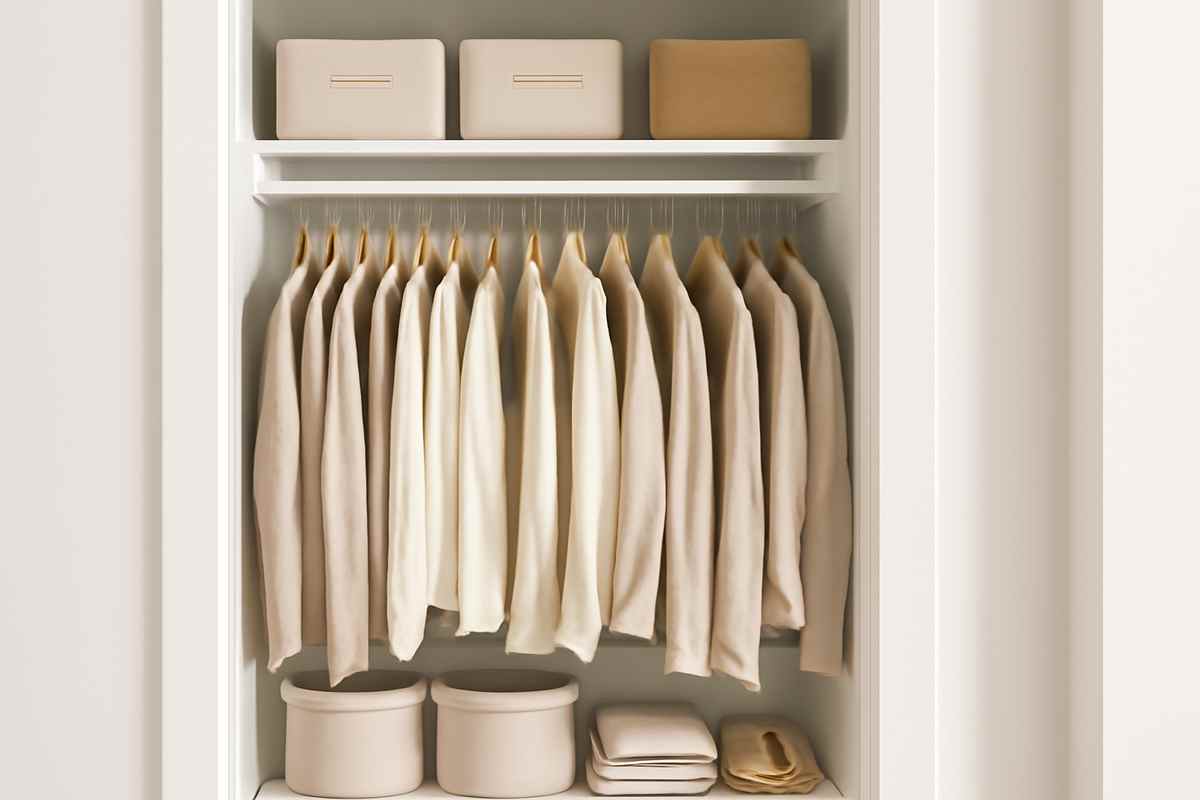
This page compares the best closet organizers for small spaces by storage type and use case. Use it if you need the best option for shelves, a better solution for extra hanging space, or renter-friendly closet organizers that do not force a full remodel. If you want idea-first inspiration before buying products, also read our guide to the best closet organization ideas for small spaces in 2026.
- Best for shelves: dividers and bins that keep folded storage under control
- Best for hanging space: slim hangers or a compact rack when rods are overcrowded
- Best for renters: modular organizers that move easily and avoid permanent installation
Quick Verdict
Closet organizer reviews: what matters most in 2026
The best closet organizer reviews are not really about finding the biggest kit. They are about matching the organizer to the pressure point inside the closet. For example, a renter dealing with crowded rods needs a different solution than someone whose shelves keep collapsing into piles.
That is why this article stays practical. Instead of pushing one oversized setup, it highlights the organizer types and upgrade paths that solve the most common small-space problems first.
For most homes, the best small closet organizers are the ones that solve one storage problem at a time. Slim hangers, shelf dividers, and stackable bins usually outperform oversized all-in-one systems. Meanwhile, a compact backup rack helps if hanging space is the real bottleneck.
Best For
Best Overall
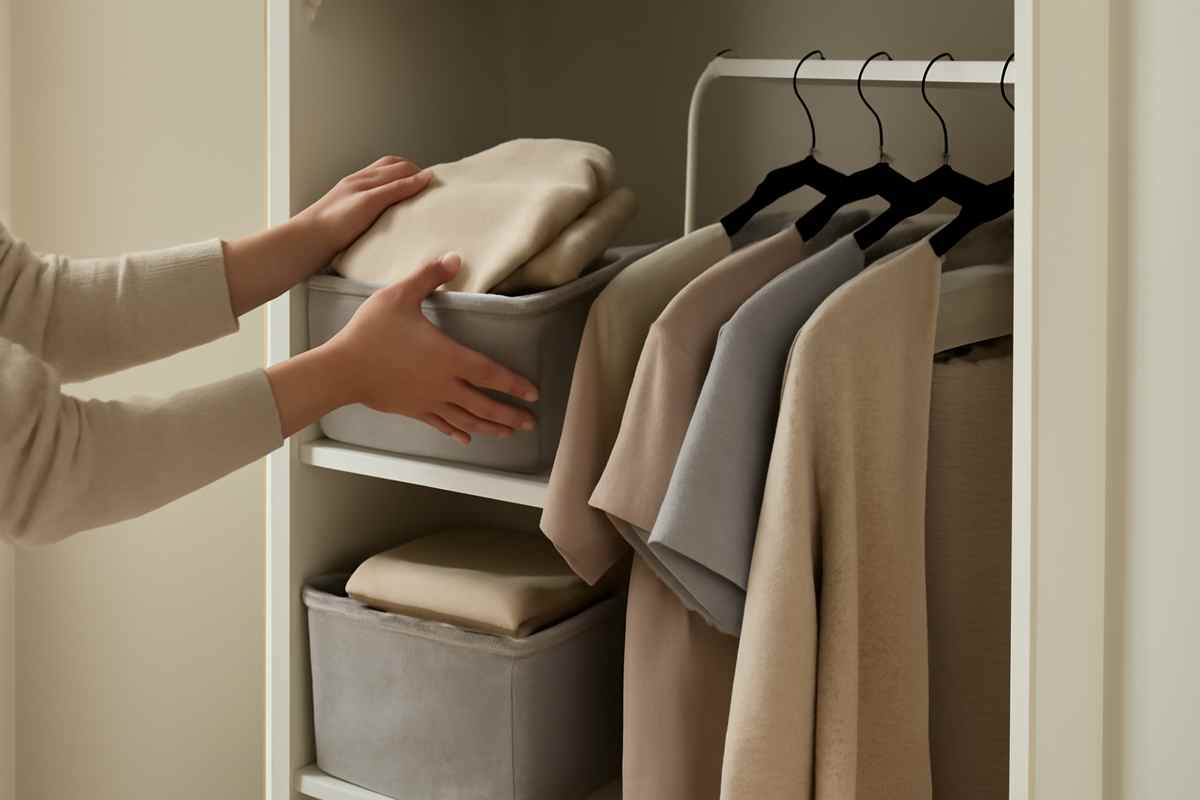
A modular setup built around slim hangers, one or two bins, and a few shelf organizers is still the strongest overall approach. It solves the most common closet problems without locking you into a bulky system.
Best for Renters
Renters usually benefit most from organizers that move easily and do not require permanent installation. Lightweight bins, shelf dividers, and compact racks are usually safer than fixed systems if your layout may change.
Best for Extra Hanging Space
If your main problem is not shelves but overcrowded hanging space, a dedicated rack or better hanger strategy matters more than extra bins. In that case, go deeper with our guide to the best clothing rack for small spaces.
Best Budget Upgrade
The cheapest improvement is often replacing bulky mixed hangers with slimmer matching ones. That one change can free up space immediately, which is why our guide to the best velvet hangers for closet organization is one of the most useful next reads after this roundup.
What to look for in closet storage for small spaces
First, identify the actual constraint. Some closets need better hanging efficiency, while others need shelf control. Therefore, choose organizers that remove wasted space instead of adding more pieces at random.
Next, think about flexibility. Renters often benefit from lighter tools they can move later. By contrast, permanent hardware makes more sense only when the layout is stable and the closet dimensions are worth committing to.
What type of small closet setup works best?
The best setup depends on what is failing now. If your rod feels crowded, start with better hangers and a cleaner grouping system. If shelves keep collapsing into piles, bins and dividers usually help more than another hanging accessory. If the closet simply lacks enough rod space, a compact secondary rack may do more than any shelf organizer.
That is why a small closet works best when it stays modular. Start with the simplest upgrade that removes friction, then add only the next layer you actually need. If you want a quick recommendation before buying products, use the Closet Organizer Planner.
Closet organizer reviews vs closet organization ideas
Shoppers often need both. Closet organization ideas help you identify the real layout problem first, while closet organizer reviews help you choose the product that fixes it. If you still are not sure whether you need bins, hangers, a rack, or a bench, read the closet organization ideas guide before you buy. If entryway overflow is part of the problem too, our roundup of the best shoe storage benches for small entryways is the next useful read.
Comparison Table
[pw_comparison_table headers=”Organizer type|Best for|Why it helps”]
[pw_comparison_row cells=”Slim velvet hangers|Improving hanging efficiency with minimal cost|Reduce wasted rod space and keep clothes more uniform”]
[pw_comparison_row cells=”Shelf dividers and bins|Messy shelves, folded stacks, and accessories|Add structure without forcing a full system replacement”]
[pw_comparison_row cells=”Compact clothing rack|Closets with too little rod space|Creates extra hanging room when the built-in closet is the real limit”]
[/pw_comparison_table]
Best setup for most people
A balanced setup is usually the smartest route. Start with matching slim hangers, add a few bins for loose items, and then use shelf dividers where stacks keep falling apart. If hanger choice is your first issue, begin with our guide to the best velvet hangers for closet organization.
Common mistakes to avoid
- Buying a full organizer system before measuring shelf depth and rod width.
- Using mixed hangers that waste horizontal room.
- Adding too many bins without a grouping system.
- Ignoring vertical door, wall, and upper-shelf space.
FAQ
What are the best closet organizers for very small closets?
In very small closets, the best organizers are usually slim hangers, shelf dividers, and one or two stackable bins. Those tools improve access without eating up too much room.
Do closet organizers actually save space?
Yes, but only when they remove wasted space and improve layout. Organizers help most when they reduce friction and make clothing easier to see and reach.
What should I look for in closet organizer reviews in 2026?
Focus on the real bottleneck first. The most useful closet organizer reviews explain whether the product improves hanging efficiency, shelf control, renter flexibility, or shoe and accessory overflow.
Should I buy a clothing rack or upgrade my closet first?
If your main issue is limited rod space, a rack may help faster. If the closet already has enough hanging space but poor structure, better hangers and shelf organizers usually give a cleaner return first. For a closer look, compare our guide to the best clothing rack for small spaces and our article on how to organize a small closet without a closet system.
Final Verdict
The best closet organizers for small spaces are practical, modular, and easy to maintain. If you need the simplest all-around upgrade, start with slim hangers and shelf control. If you rent, keep the setup flexible. If extra hanging space is the real problem, add a compact rack instead of overloading the closet. For more related upgrades, browse our Home Products category.
Related closet organization articles
- Best Clothing Rack for Small Spaces in 2026
- Best Velvet Hangers for Closet Organization in 2026
- How to Organize a Small Closet Without a Closet System
Try the Closet Organizer Planner
If you want a faster recommendation before comparing products, use the Closet Organizer Planner to narrow down the best setup for your space.
Digital and mechanical kitchen scales both solve the same basic problem, but they do it with very different levels of convenience and precision. For most modern kitchens, digital scales are simply more practical. They are easier to read, easier to tare, and easier to use for tasks where repeatability matters.
Quick FAQ
What matters most when choosing a kitchen scale?
Read stability, tare speed, clear display, and practical day-to-day workflow matter most.
Is digital always better than mechanical?
For most people, digital is faster and easier to use consistently.
Do I need expensive features?
Usually no. Consistency and usability beat feature overload for most home kitchens.
Best For / Not Ideal For
Best for:
- People who want practical buying guidance without fluff.
- Users choosing a scale for daily baking, meal prep, or tracking.
- Shoppers comparing trade-offs before purchasing.
Not ideal for:
- Users needing commercial-grade specialty equipment.
Mechanical scales can still appeal to shoppers who like analog simplicity or do not want batteries, but in everyday cooking and baking they usually give up too much convenience for most people.
Quick Answer
For most home cooks, a digital kitchen scale is the better choice. It is usually more accurate, more compact, and more useful for baking, meal prep, and calorie tracking. Mechanical scales still work for simpler casual use, but they are rarely the strongest all-around option.
| Type | Best reason to choose it |
|---|---|
| Digital scale | Best for baking, meal prep, calorie tracking, and precise gram readings. |
| Mechanical scale | Best for shoppers who prefer an analog design and simple no-battery use. |
Why Digital Scales Usually Win
- More precise readings: especially helpful for baking and portioning.
- Tare function: makes multi-ingredient weighing much easier.
- Clear gram display: better for repeatability and food tracking.
- Smaller footprint: many digital models are easier to store.
- Faster use: helpful in everyday cooking and meal prep.
Why Some People Still Like Mechanical Scales
Mechanical scales can feel straightforward and durable, and some shoppers like that they do not rely on batteries. They may be perfectly fine for loose everyday measuring when precision is not a major concern. Their appeal is simplicity, not maximum usability.
Where Mechanical Scales Fall Short
The biggest drawback is that they are usually less precise and less convenient for tasks where small differences matter. Without an easy tare function and clear digital readout, they can feel slower and less practical for baking or meal prep.
Best Choice by Use Case
For baking: digital is usually the better choice.
For calorie tracking or meal prep: digital wins clearly.
For casual occasional weighing: mechanical can still be acceptable if you truly prefer analog simplicity.
Final Verdict
Digital kitchen scales are better for most people because they make precise weighing easier and faster in real use. Mechanical scales still have a place for shoppers who value analog simplicity, but for baking, portioning, and repeatable everyday cooking, digital is usually the smarter buy.
Helpful Kitchen Calculators
Use these free tools to apply what you just read and plan portions faster.
If you want the best kitchen scale in 2026, start by matching the scale to your real use case: baking, meal prep, or calorie tracking. Most people do not need extra complexity. They need a kitchen scale that stays accurate, reads clearly, stores easily, and feels worth the price.
- Best overall kitchen scales (quick comparison)
- Best kitchen scale for baking
- Best kitchen scale for meal prep
- Best food scale for counting calories
Why You Can Trust This Comparison
This page is designed for readers who want a fast, practical shortlist rather than a feature dump. Pick Wisely compares these kitchen scales using everyday buying criteria: read stability, tare convenience, display visibility, storage footprint, cleanup, and overall fit for baking, meal prep, and calorie tracking.
Not every page on the site is based on the same kind of evaluation. This comparison combines editorial research, public product information, and practical kitchen workflow analysis to explain tradeoffs clearly instead of pretending every low-cost scale is meaningfully different.
How We Chose These Picks
- Accuracy for normal kitchen use: stable gram readings matter more than long feature lists.
- Tare speed and usability: the scale needs to work smoothly when you add ingredients one by one.
- Display visibility: a reading is only useful if you can see it with a bowl on top.
- Cleanup and storage: daily kitchen tools should be easy to wipe down and easy to store.
- Fit by routine: the best scale depends on whether you bake, portion meal prep, or track calories most often.
Best For / Not Ideal For
Best for:
- People who want one quick side-by-side comparison before buying.
- Shoppers choosing between baking, meal prep, and calorie tracking use cases.
- Buyers who want a practical pick without reading 10 separate reviews.
Not ideal for:
- People who only need a deep single-product review.
- Users shopping for professional lab-grade scales.
This comparison looks at three popular options shoppers often consider together: the Etekcity Food Kitchen Scale, the Amazon Basics Digital Kitchen Scale, and the Ultrean Digital Food Scale. Use it if you want the best kitchen scale for baking, the best one for meal prep, or the safest low-cost pick without overthinking the category.
- Best overall: Etekcity for the strongest all-around balance
- Best for baking: Etekcity for clearer everyday precision
- Best budget backup: Ultrean when price matters most
Quick Verdict
If you want the lowest-risk all-around pick, start with Etekcity. If your budget is tighter, the other two options can still work, but they make more sense when you already know which tradeoff you are accepting.
For most shoppers, the Etekcity Food Kitchen Scale is still the safest overall buy. It balances readability, compact size, and everyday usability better than the typical low-cost alternatives. If your main priority is keeping cost low, however, Amazon Basics or Ultrean can still make sense.
Best For
Best Overall
The Etekcity Food Kitchen Scale is the strongest all-around pick for most people because it feels balanced across accuracy, storage, cleanup, and day-to-day use. If you want one scale that works for baking, portioning, and general kitchen use, this is the easiest recommendation.
Best for Baking
If you care most about consistent ingredient weighing, an easy-to-read display and reliable gram measurements matter more than extras. That is exactly why the Etekcity model still stands out for home baking. For a more baking-specific breakdown, see our guide to the best kitchen scale for baking in 2026.
Best for Meal Prep
If your routine is mostly portioning proteins, carbs, and containers for the week, a simple digital scale with quick unit switching is usually enough. You can compare that use case more directly in our guide to the best kitchen scale for meal prep in 2026.
Best Budget
Ultrean makes the most sense as a lower-cost backup or starter option when you want basic food weighing without spending much. Amazon Basics also fits this price-first category, but Etekcity remains the safer all-around recommendation for most shoppers.
Quick Kitchen Scale Comparison Table
| Scale | Best Overall Etekcity Food Kitchen Scale | Amazon Basics Digital Kitchen Scale | Best Budget Backup Ultrean Digital Kitchen Scale |
|---|---|---|---|
| Best for | Most shoppers who want the safest all-around pick | Shoppers who want a recognizable low-cost option | Budget shoppers who want a simple backup or starter scale |
| Strength | Great balance of accuracy, size, and cleanup | Simple value-first option | Affordable, compact, and easy to store |
| Platform feel | Compact stainless steel top | Compact stainless steel design | Compact design suited to everyday light use |
| Ease of use | Very straightforward | Straightforward | Straightforward |
| Best use case | Baking, meal prep, and macro tracking | Budget everyday kitchen weighing | Entry-level food weighing and backup use |
| Main caution | Small bowls can cover the display | Less standout than Etekcity overall | May feel more basic than top picks |
| Check Price | Check Price | Check Price |
How We Judged These Kitchen Scales
For this comparison, the main question is not which scale has the longest feature list. It is which model feels easiest to trust in a normal kitchen. We prioritized four things that matter most in real use: stable gram readings, a responsive tare button, easy cleanup, and whether the scale stays convenient enough to use daily.
- Read stability: numbers should settle quickly enough that weighing ingredients does not feel slow.
- Kitchen fit: the platform should work with common bowls, plates, and meal-prep containers.
- Storage friction: a scale that stores easily is more likely to stay in rotation.
- Value at normal use: we favored models that make sense for home cooks instead of niche edge cases.
Best Overall: Etekcity Food Kitchen Scale
The Etekcity scale wins this comparison because it offers the strongest balance of practicality and value. It is easy to clean, easy to store, and easy to recommend to both bakers and meal-prep shoppers. If you only want to buy one kitchen scale and stop researching, this is the safest pick.
It also feels like the most proven mainstream option in this group. That matters because a kitchen scale is not a product most people want to overanalyze. They want something that works, stays readable, and gets out of the way. For the product-specific breakdown, go deeper with our Etekcity Food Kitchen Scale review.
Best for Price-First Shoppers: Amazon Basics Digital Kitchen Scale
The Amazon Basics Digital Kitchen Scale appeals to shoppers who want a familiar budget option and prefer buying straightforward Amazon Basics products when the function is simple. If your goal is basic kitchen weighing at a low price and you are not chasing premium design, it is a reasonable shortlist option.
Its main challenge is not that it is bad. It is that the Etekcity scale often looks more convincingly polished for the same kind of shopper. That makes Amazon Basics more of a price-first decision than a best-overall decision.
Best Budget Backup: Ultrean Digital Kitchen Scale
Ultrean makes sense for shoppers who want a very simple digital kitchen scale without spending much. It is the kind of product that works best when expectations are practical: everyday weighing, small-space storage, and light home use rather than premium finishing details.
If you only need a backup scale, a starter scale, or something for occasional meal prep, Ultrean can still be a reasonable option. It just does not feel as universally safe a recommendation as Etekcity for most buyers.
When a kitchen scale is worth buying
A kitchen scale is worth buying as soon as you want more consistency in one of three areas: baking, meal prep, or calorie tracking. Measuring cups are still useful, but a scale usually gives cleaner repeatability when recipes need precision or when portions need to stay close from one meal to the next.
It is also one of the cheapest tools that can quietly improve daily cooking. If you are still deciding what matters most before buying, read How to Choose the Best Kitchen Scale in 2026 before committing to one model.
Which Kitchen Scale Should You Buy?
| Shopper need | Best pick |
|---|---|
| You want the safest all-around choice | Buy the Etekcity Food Kitchen Scale. |
| You want a recognizable Amazon budget option | Choose the Amazon Basics Digital Kitchen Scale. |
| You want a basic low-cost starter or backup | Consider the Ultrean Digital Kitchen Scale. |
What matters most in a kitchen scale
For most home cooks, the buying decision should come down to four questions. Is the display easy to read? Is the surface easy to clean? Does it store easily in your kitchen? And does the price make sense for how often you will use it? If a model gets those basics right, it is already doing most of the job.
That is why this category rewards simplicity. Fancy extras matter far less than consistent usability. In practical terms, the best kitchen scale is usually the one you do not have to think about every time you cook.
If you need quick measurement help while comparing scales, try our Kitchen Scale Converter for grams, ounces, cups, and ingredient weights. Once you have a scale, the Meal Prep Portion Calculator also helps turn bulk prep into cleaner servings.
FAQ
Which kitchen scale is best for baking in 2026?
The Etekcity Food Kitchen Scale is the strongest overall choice for most home bakers because it balances value, usability, and day-to-day practicality well.
Is Amazon Basics or Etekcity better for a kitchen scale?
For most shoppers, Etekcity is the better all-around pick. Amazon Basics makes more sense if your priority is simply finding a familiar low-cost option.
Is a cheap kitchen scale good enough for meal prep?
Yes, if it is readable, consistent, and easy to use. Most meal-prep shoppers do not need premium features; they need reliable basic measurements.
Do I need a kitchen scale for calorie tracking?
Not everyone needs one, but it can make calorie tracking much more consistent because portion estimates become more repeatable. That matters most when you regularly meal prep or weigh ingredients like rice, oats, protein, or nut butter.
Fast Buyer Shortcut
- Buy Etekcity if you want one scale that covers baking, meal prep, and daily kitchen use without much trade-off.
- Choose Amazon Basics if you mainly want a familiar low-cost option and are comfortable with a simpler value-first pick.
- Choose Ultrean if you want a starter or backup scale at the lowest practical cost.
Final Verdict
If you want the safest recommendation, buy the Etekcity Food Kitchen Scale. If your decision is mostly about keeping cost low, Amazon Basics is a fair option. If you want an inexpensive backup or starter scale, Ultrean is still worth a look. The good news is that this category does not require a luxury budget. You just need the model that best matches how you cook. Check the current price for the Etekcity scale on Amazon, or compare the other options directly in the table above.
Related Kitchen Scale Articles
If you want to move from a broad comparison to a more specific decision, these related pages break the category down by use case. They also connect this comparison article back into the rest of the kitchen-scale cluster.
- Etekcity Food Kitchen Scale Review 2026
- How to Choose the Best Kitchen Scale in 2026
- Best Kitchen Scale for Baking in 2026
- Best Kitchen Scale for Meal Prep in 2026
- Digital vs Mechanical Kitchen Scale: Which Is Better?
- Best Food Scale for Counting Calories in 2026
Helpful Meal Prep Reading
If your kitchen scale decision is mainly about portioning protein and tracking meals more consistently, these guides make the use case more practical after you buy the scale.
- Protein Portion Converter
- Raw to Cooked Chicken Weight Conversion
- How Much Chicken Per Meal for Meal Prep?
Not sure where to go next?
If you want the full kitchen workflow, start with the Start Here guide. If you already picked a scale and only need faster kitchen math, open the full tools hub.
Need practical portion help?
After choosing a scale, try the Meal Prep Portion Calculator to split bulk meal prep into simple servings.
Helpful Kitchen Calculators
Use these free tools to apply what you just read and plan portions faster.