Choosing foundation gets easier once you stop trying to find the “best foundation” in the abstract and start narrowing the decision around your skin type, your preferred finish, and how much coverage you actually want. For beginners, too many purchases go wrong because the formula, finish, and expectations were mismatched from the start.
The goal is not to buy the most hyped product. It is to find a foundation that looks believable on your skin, feels comfortable enough to wear, and matches the level of effort you want in your routine.
Quick Verdict
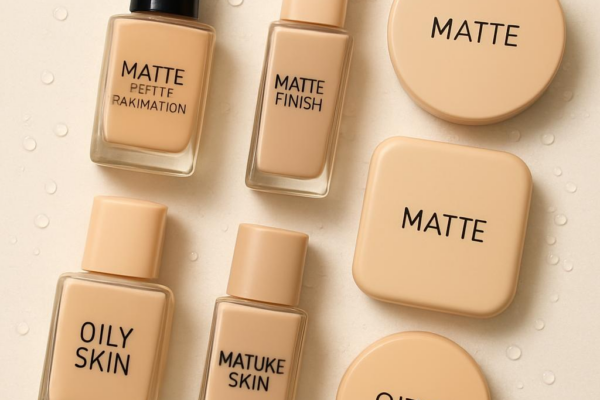
Beginners usually do best with a buildable foundation that matches both their skin type and desired finish. Matte formulas often suit oilier skin better, hydrating or natural-finish formulas tend to suit drier skin better, and satin or flexible natural finishes often work well for combination skin.
Start with Skin Type
Oily skin
Look for lightweight formulas with matte or soft-matte finishes, especially if shine and wear-time are your biggest concerns.
Dry skin
Look for more hydrating or natural-finish formulas that avoid emphasizing dry patches or tightness.
Combination skin
Satin or natural-finish foundations are often the easiest middle ground because they avoid extremes.
Sensitive skin
Simpler formulas and patch testing matter more here than trend status or coverage claims.
Then Choose Your Finish
The finish changes how the product looks more than beginners often expect. Matte looks more shine-controlled, radiant looks more glowy, and natural finishes usually sit between the two. If you are unsure, natural or soft-matte finishes are often safer than extremes.
Coverage Matters Too
Full coverage sounds appealing, but it is not always the easiest starting point. Beginners often get better results from light-to-medium or buildable medium coverage because the application is more forgiving and mistakes are less obvious.
Shade Matching Basics
- Check shades in natural light when possible.
- Match close to the jawline instead of the hand.
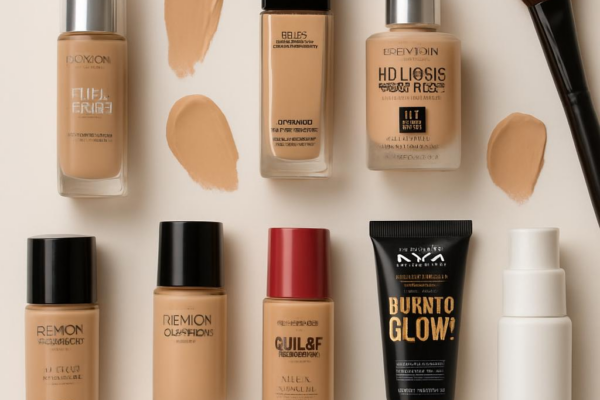
- Pay attention to undertone, not just depth.
- Do not assume the same brand shade name translates across formulas.
Application Tips for Beginners
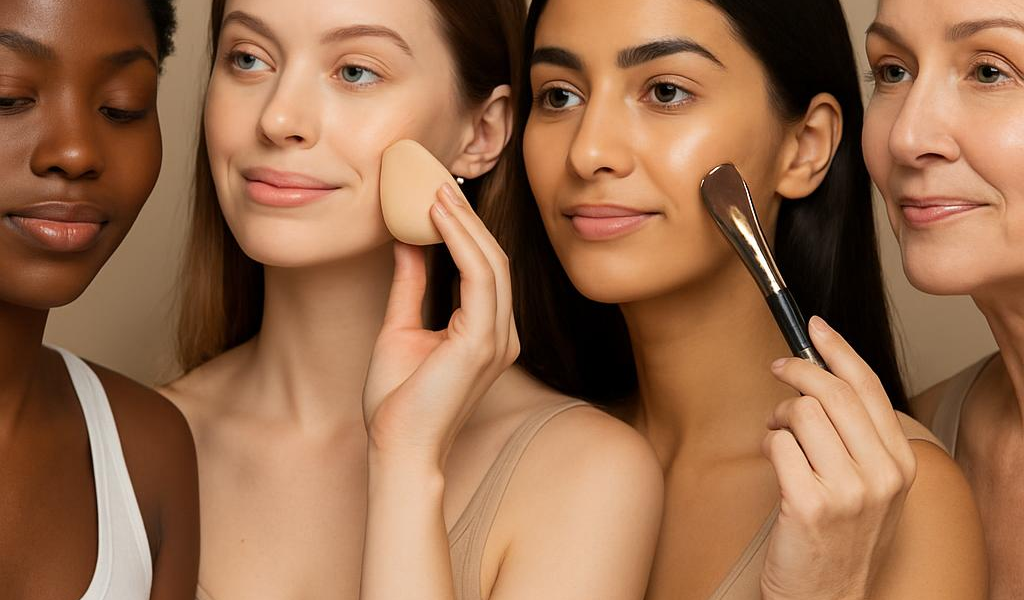
Start with a small amount and build slowly. Too much product too early is one of the most common beginner mistakes. A thinner layer usually looks more natural and makes it easier to correct placement or blending.
Common Mistakes
- Choosing finish before skin type
- Buying full coverage immediately because it sounds better on paper
- Ignoring undertone
- Applying too much product in one pass
- Buying based only on hype without checking whether it suits your skin needs
Final Verdict
The right beginner foundation is the one that matches your skin type, gives the finish you actually want, and feels manageable to apply. If you start with buildable coverage, realistic shade matching, and a formula suited to your skin, you will usually get a better result than chasing the most viral product in the store.
Beginner decision tree
- If your skin feels tight: start with hydrating or natural finish foundation.
- If your T-zone gets shiny fast: test lightweight matte options with controlled powder use.
- If redness/texture is your concern: prioritize buildable coverage and gentle blending tools.
First-week testing protocol
- Wear for a full day in normal conditions.
- Check oxidation after 1-2 hours.
- Evaluate comfort at end of day (dryness, creasing, shine).
- Adjust primer/powder before changing foundation immediately.
What beginners often get wrong
- Choosing shade only under warm indoor light.
- Using too much powder on dry zones.
- Changing multiple routine variables at once.