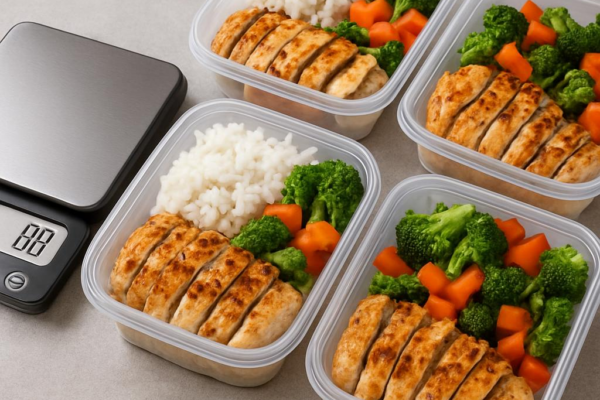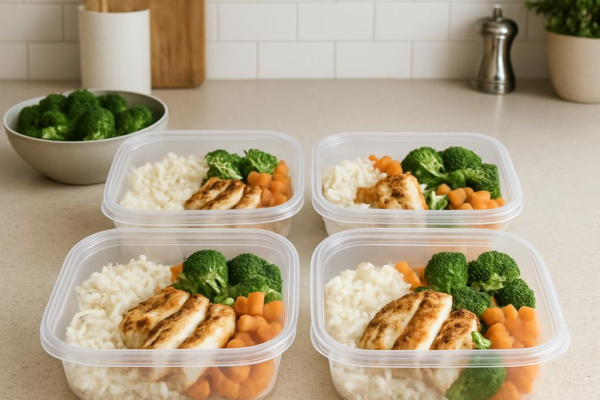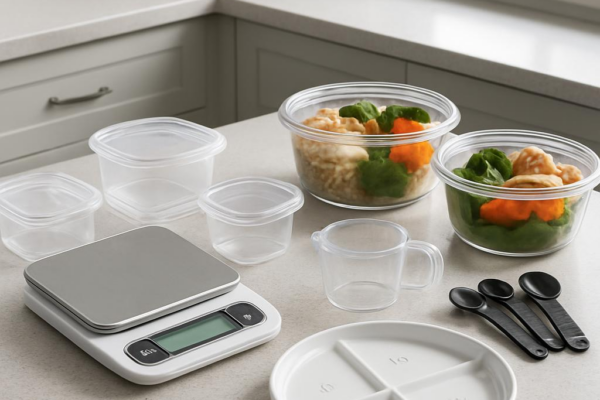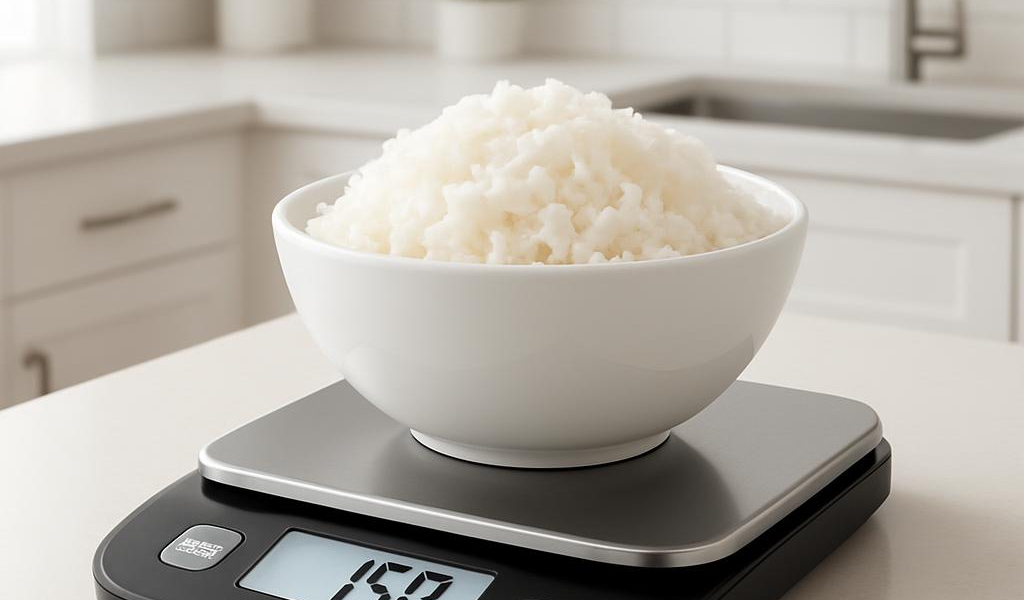
Tracking macros accurately requires a reliable food scale that fits your kitchen setup and lifestyle. Whether you’re following a strict diet plan or need to optimize your cooked rice portioning workflow, a precise kitchen scale for macros streamlines meal prep and nutrient counting. This practical buying guide walks you through the critical features to look for when choosing the best food scale for macros, helping you make a confident, informed buying decision. We’ve expanded this guide to include detailed decision-making criteria, buyer scenarios, common mistakes to avoid, and practical examples for real-world use, focusing on value for money and ease of integration into your daily cooking routine.
Quick Verdict
For macro tracking and calorie counting, the best food scale for macros offers precision, ease of use, and compatibility with your cooking habits and kitchen environment. Essential features include measurement accuracy down to at least 1 gram, a platform size large enough for containers used in workflows like cooked rice portioning, a straightforward tare function, and a backlit display that remains visible under varied kitchen lighting conditions.
Consider how the scale will integrate into your daily meal prep. For example, if your typical workflow involves measuring multiple ingredients consecutively-as in meals combining cooked rice and various proteins and vegetables-the tare function’s responsiveness and the scale’s stability under moisture or spills become important. While some models offer Bluetooth or app connectivity, this should generally be a bonus feature, preferred primarily by tech-savvy users who consistently use macro-tracking software.
| Category | Verdict |
|---|---|
| Best for | Everyday precision macro tracking with practical ease of use |
| Main tradeoff | Platform size vs. compactness depending on portioning needs |
| Buying focus | Accuracy, intuitive tare function, display clarity, maintenance |
| Typical use case | Portioning meals including cooked rice and mixed ingredients |
Who This Guide Is For
- Best for: people who track macros regularly, portion cooked meals, and want a scale that feels easy to use every day.
- Less ideal for: shoppers chasing app features first or buyers who only weigh food occasionally.
This guide focuses on practical macro-tracking workflow rather than novelty features. The most useful scale is usually the one that gives stable readings, handles bowls cleanly, and makes repeated tare cycles fast during meal prep.
How Pick Wisely Evaluates Macro-Tracking Scales
- Precision that is usable in real life: 1 g accuracy is the baseline, but fast stable readings matter just as much.
- Container compatibility: a scale is less useful if normal prep bowls cover the display or sit awkwardly on the platform.
- Tare workflow: multi-ingredient meal prep gets frustrating fast if the tare function is slow or inconsistent.
- Cleanup and durability: macro tracking is often repetitive, so the scale needs to survive daily spills, crumbs, and repeated use.
- Value over gimmicks: Bluetooth and apps are optional; dependable core performance matters more.
How to Choose the Best Food Scale for Macros
1. Accuracy and Measurement Increments
Precision is crucial in macro tracking. The scale should measure in grams with increments of 1g or finer (0.1g or 0.5g) to capture small food portions accurately, especially important for ingredients like nuts, seeds, or spices that impact calorie and macro content significantly. Also, check if it supports ounces or pounds for recipe flexibility.
2. Platform Size and Shape
A platform measuring around 6 to 8 inches square or larger accommodates typical containers in cooked rice portioning workflows, meal prep bowls, or plates. Smaller platforms can be restrictive, particularly if you tend to use larger bowls. The platform’s material matters, too: stainless steel or tempered glass surfaces are preferred for ease of cleaning, durability, and hygiene.
3. Tare Function
The tare button enables zeroing out container weights, essential when weighing multiple ingredients sequentially. It should respond instantly and be easy to operate without complicated sequences or delays. Some scales feature auto-tare or continuous tare modes, which can speed up workflows.
4. Display Clarity and Positioning
The display should be backlit or highly visible under common kitchen lighting conditions, including early mornings or late nights. Additionally, displays positioned at angles visible from above or front facilitate quick reading while you hold or add food.
5. Power Source and Battery Life
Consider battery type (AAA, coin-cell) or rechargeable options. Rechargeables reduce waste and can be more convenient if you’re weighing multiple times daily. Check for low power consumption and reliable auto-off features that don’t cut off during active use.
6. Build Quality, Durability, and Maintenance
Kitchens can be humid and prone to spills. Choose water-resistant or splash-proof designs with wipe-clean surfaces. Non-slip feet increase stability during weighing, particularly important in workflows involving quick tare presses or placing heavy bowls. Stainless steel is hygienic and less prone to staining, whereas plastic may scratch or discolor over time.
7. Additional Features to Consider
- Connectivity: Bluetooth scales can sync with macro tracking apps, but ensure compatibility and evaluate whether you’ll actually use this feature.
- Weight Limits: Confirm the maximum weight supports your usual portions, commonly 5 to 11 lbs (2 to 5 kg).
- Speed and Stability: A responsive scale that updates measurements quickly saves time and reduces errors.
- Auto-Off Delay: Should conserve power but not turn off during active use or tare cycles.
Best Use Cases for Food Scales in Macro Tracking
Portioning Cooked Rice and Carbohydrates
The cooked rice portioning workflow requires a stable and spacious platform to hold typical bowls and containers. Since rice is a major carbohydrate source, accurate weighing here hugely impacts macro calculations. The tare function allows resetting bowl weight easily, facilitating quick adjustments.
Measuring Proteins and Fats
For proteins like meat or tofu, and fats like nuts or oils, sensitive scales measuring in 1g or finer increments help avoid overestimation or underestimation. This precision is key to balancing macros and controlling calorie intake, especially on strict diets.
Meal Prep with Multiple Ingredients
Batch cooking with several components calls for a reliable tare button and consistent weight readings. A high-quality scale lets you weigh ingredient after ingredient without manual calculations, streamlining your workflow.
Tracking Snacks and Small-Portion Foods
Highly precise scales incrementing by 0.1g aid in tracking small snacks where a few grams can change calorie counts significantly. This is particularly useful in diets requiring strict macro control.
Pros and Cons
Pros
- Provides highly accurate measurements that are essential for macro tracking and calorie counting.
- The tare feature simplifies weighing multiple ingredients without manual adjustments.
- Compact sizes fit easily on kitchen countertops and can be stored conveniently.
- Some models offer app connectivity for streamlined macro tracking.
- Durable materials and wipe-clean surfaces suit daily food preparation needs.
- Well-suited to workflows including cooked rice portioning and multi-component meals.
Cons
- Small platforms can limit container size during weighing, potentially causing inconvenience.
- Humidity and kitchen conditions may affect scale accuracy over time without proper maintenance.
- Display readability issues can arise in low-light conditions if backlighting is absent.
- Premium features add cost that may not benefit basic users significantly.
- Battery replacement or recharging is necessary, requiring some maintenance.
- Connectivity features may add complexity and are often underutilized.
Who Should Buy It
The best food scale for macro tracking is perfect for:
- Dieters or athletes managing detailed nutritional intake, including calculated calories, proteins, fats, and carbs.
- Meal preppers focused on portion control who need precise measurements for foods like cooked rice.
- Beginners starting macro tracking seeking an easy-to-use kitchen scale without unnecessary complexity.
- Anyone wanting to improve meal portion accuracy and understanding without bulky or complicated scales.
- Those who value consistent, stress-free weighing workflows integrated into their daily cooking.
Common Mistakes to Avoid When Buying a Food Scale for Macros
Ignoring Platform Size and Compatibility
Choose a platform too small for your regular containers and meal prep bowls, and you risk awkward, messy portioning. Always measure your typical bowls and compare them against the scale’s platform dimensions before purchasing.
Overlooking the Importance of a Responsive Tare Function
Skipping on tare functionality or choosing scales with complicated tare operations causes unnecessary hassle and inaccuracies. Avoid scales where tare requires multiple buttons or delayed responses.
Prioritizing Unnecessary Extra Features
Bluetooth or app integrations can seem attractive, but they often introduce added cost and complexity without improving basic weighing performance. Prioritize core features first: accuracy, size, tare, and display.
Disregarding Display Legibility
Poorly visible screens make reading weights frustrating. Ensure the display is backlit, positioned for easy view, and readable at multiple angles.
Not Considering Battery Convenience
Unexpected battery failures interrupt meal prep. Opt for scales with long battery life, easy battery replacement, or rechargeable batteries to minimize downtime.
Neglecting Kitchen Environment Compatibility
Kitchen moisture, splashes, and grease require robust and easy-to-clean designs. Avoid delicate materials prone to damage and scales without water resistance or wipe-clean surfaces.
How to Choose
Selecting the best food scale for macros involves more than just spotting the lowest price or flashiest design. Your choice should align with how you plan to track nutrients and integrate the scale into your kitchen routines. Here’s what to keep in mind:
Accuracy and Precision
Since tracking macros depends on precise measurements, prioritize a scale that offers at least 1-gram accuracy. This granularity ensures that your calorie and macro tracking is reliable, whether you’re portioning raw ingredients or cooked meals.
Capacity and Size
Consider what quantities you’ll regularly weigh. If you often measure large batches, a scale with higher weight capacity (around 5 kg or 11 lbs) is practical. Compact scales are great for smaller portions and easier storage but might have limited capacity.
Unit Options and Tare Functionality
A versatile kitchen scale for macros will allow you to switch between grams, ounces, and milliliters, aiding in diverse food tracking needs. The tare function is essential-it lets you zero the weight to account for bowls or containers, making successive measurements simple and accurate.
Ease of Use and Display
Look for clear, backlit displays with easy-to-read digits. Controls should be straightforward, preferably with tactile buttons. Consistency in switching modes and taring contributes positively to your workflow, reducing frustration during meal prep.
Power Source
Consider batteries versus rechargeable options. Battery-powered scales are often lightweight and portable, but you’ll need replacements periodically. Rechargeable models provide convenience but require timely charging to avoid downtime.
Build Quality and Cleaning
Since food preparation can be messy, scales with a sealed surface or stainless steel platforms are easier to clean and maintain. Durability contributes to long-term value, especially if you use the scale daily.
Best Use Cases
Understanding when and who benefits most from the best scale for calorie and macro tracking can help tailor your buying decision to your lifestyle.
Meal Preppers and Batch Cookers
If you prepare meals ahead of time, especially in bulk, using a food scale for macros streamlines portioning. Accurately dividing cooked rice or mixed meals ensures consistent nutrient intake throughout the week. For this use, choose a scale with a robust capacity and reliable tare function to accommodate mixing bowls and containers.
Dieters Focused on Weight Management
Tracking every gram can be vital if you’re aiming for precise calorie deficits or macronutrient goals. A scale with high precision helps avoid common pitfalls like mismeasuring high-calorie foods. Also, portability might be key if you need to weigh food while dining out or traveling.
Athletes and Bodybuilders
Macros are often meticulously tracked by athletes for optimal performance and muscle gain. An accurate kitchen scale for macros that offers quick readings and unit conversion supports timely meal preparation and nutrient control without slowing down busy schedules.
Casual Users Wanting More Control
If you’re not a strict macro counter but want to keep a general eye on portions, the best food scale for macros that balances accuracy with value for money will fit. Look for straightforward devices that won’t complicate your cooking routine but still encourage mindful eating.
Common Mistakes to Avoid
Even with the best food scale for macro tracking, mistakes can reduce effectiveness and lead to inaccurate data. Here are pitfalls to watch out for and better approaches.
Ignoring Tare Functions
A frequent error is neglecting to use the tare button, causing the container weight to inflate food weight. Always zero the scale after placing a bowl or plate before adding food. This ensures you measure only your food, improving tracking accuracy.
Weighing Food Only Before Cooking
Macro values can change after cooking due to water loss or gain. To align measurements with nutrition databases, decide whether you consistently weigh raw or cooked portions. Many users find that weighing cooked meals fits their lifestyle better, such as portioning cooked rice precisely-just be sure to stick to one method for consistency.
Not Calibrating the Scale
Regular calibration maintains accuracy. Ignoring this can lead to subtle errors over time. Follow the manufacturer’s instructions to recalibrate periodically, especially if the scale is moved or battery power fluctuates.
Overlooking Scale Capacity
Trying to weigh items heavier than your scale’s max capacity can damage the device or cause inaccurate readings. Purchase a scale that accommodates the largest typical portion you plan to measure.
Rushing Measurements
Quickly placing food without waiting for a stable reading can cause fluctuations. Take a moment to let the number settle before noting your macro data to avoid errors.
Neglecting Cleaning and Care
Food particles or moisture can impair sensor function over time. Clean your scale regularly, avoid spills on buttons or the display, and store it safely to prolong its lifespan.
By carefully selecting a scale tailored to your needs, understanding its best use cases, and avoiding common pitfalls, you can optimize your macro tracking and make informed buying decisions about the best food scale for macros.
What to Know
Before choosing based on best food scale for macros alone, compare real-world fit, setup constraints, maintenance, value for money, and how often you will actually use the product or method.
The strongest choice is usually the one that fits your daily routine, not only the one with the most impressive headline feature.
FAQ
What should you check first when buying the best food scale for macros?
Begin by verifying the scale’s accuracy and measurement increments. It should measure in grams with at least 1-gram increments to ensure precision. Also, check that it includes a dependable tare function and fits your typical container sizes.
Which type of best food scale for macros makes the most sense for beginners?
Beginners benefit from simple, digital kitchen scales with intuitive tare functions and easy-to-read displays. Avoid overly complex models with advanced apps or connectivity unless you already plan to use those integrations.
What mistakes should you avoid when choosing the best food scale for macros?
Common mistakes include neglecting platform size (which limits bowl options), choosing scales with poor tare operation, ignoring display readability, and not considering battery or maintenance needs. Also, avoid prioritizing superfluous features over core reliability.
Is the best food scale for macros worth it for everyday use?
Absolutely. A high-quality food scale improves daily meal prep consistency, supports precise portion control, and enhances overall macro tracking accuracy. This contributes to improved diet adherence and better nutritional awareness.
| Category | Remarks |
|---|---|
| Recommended feature | Accuracy to at least 1 gram with sufficient platform size for bowls |
| Consider for workflow | Non-slip feet and responsive tare benefit daily cooked rice portioning |
| Value factor | Reliable tare function and build quality outrank advanced connectivity |
| Battery | Rechargeable or easy replaceable with sensible auto-off to conserve power |
Final Verdict
The best food scale for macros is usually not the most advanced one. It is the model that fits your containers, makes tare easy, and stays consistent enough that you actually keep using it every week.
Selecting the best food scale for macros involves balancing measurement accuracy, user-friendly features, and practical durability suited to kitchen environments. Prioritize a scale with a sufficiently large, easy-to-clean platform, a simple but responsive tare function, and a clear, bright display. Resist the temptation to overinvest in fancy extras unless you have a defined need. This approach guarantees a kitchen scale that supports real-world macro tracking, including common tasks like cooked rice portioning and multi-ingredient meals, while fitting your workflow and budget.
For detailed insights into accurate ingredient weighing, explore our How to Weigh Chicken for Meal Prep and Macros (Step-by-Step) guide. Enhance your portion control strategies with additional resources such as Protein Portions for Weight Loss: Practical Meal Prep Guide and Protein Serving Size Guide for Common Foods.
When ready, you can browse the broader Kitchen guides and the Tools hub for practical scale, portioning, and meal-prep support.
If you’re seeking a trusted food scale fitting most macro tracking requirements and kitchen setups, focus on options offering accurate, stable measurements with user-friendly tare features. Our Pick Wisely tools can help you find the model that best blends practicality and reliability.
Discover more recommendations and free tools on our Tools Hub.