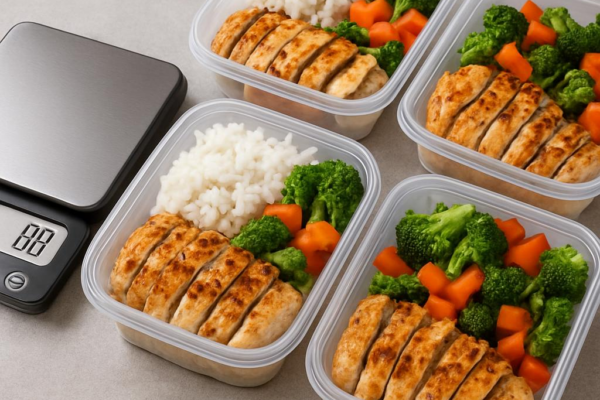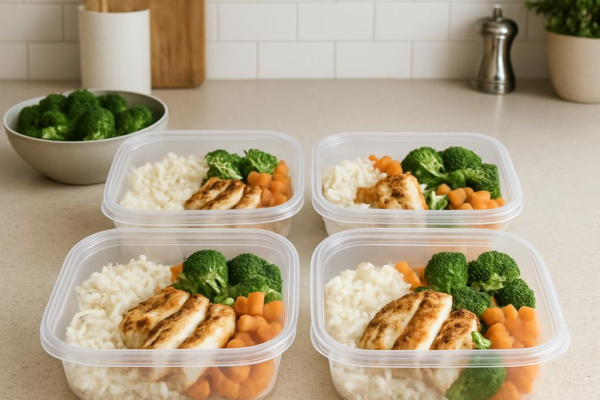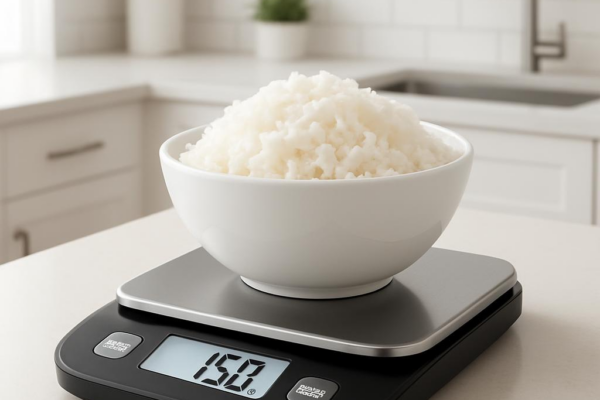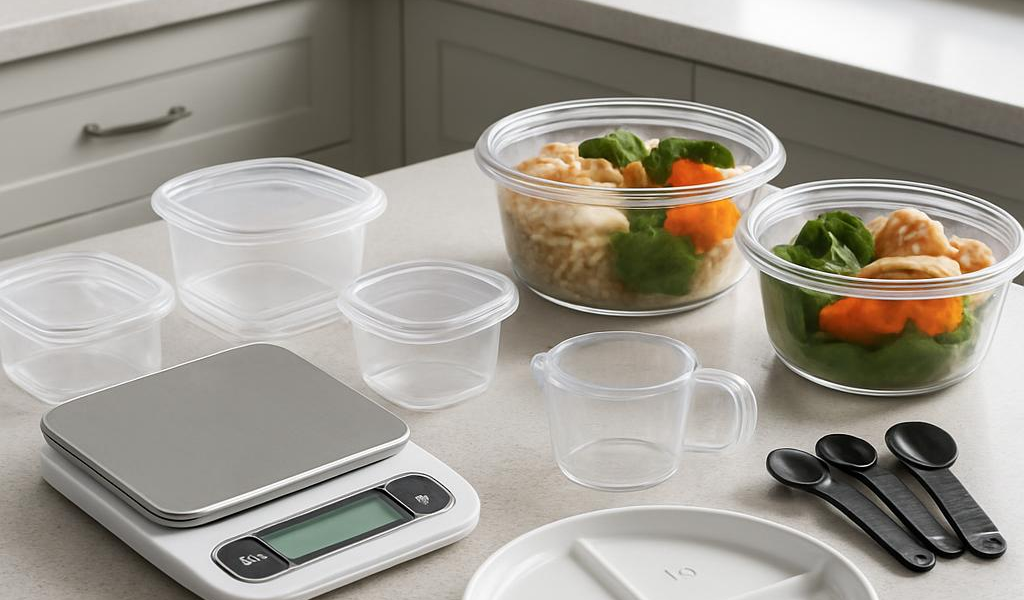
A kitchen scale is still the most accurate portioning tool for most meal prep tasks, but it is not the only tool worth using. Depending on how you cook, store meals, or track food, other tools can make prep faster, easier, and more repeatable even if they are not as precise gram-for-gram.
Quick FAQ
What makes a kitchen scale good for daily use?
Stable readings, quick tare, clear display, and easy cleanup matter most day to day.
Can one scale work for baking and meal prep?
Yes. A dependable digital model with gram precision usually covers both workflows well.
Is a higher price always better for scales?
Not always. Practical usability and consistent readings matter more than extra features.
Best For / Not Ideal For
Best for:
- People who want a reliable daily-use kitchen scale.
- Users balancing baking, meal prep, and calorie tracking.
- Shoppers who value simple controls and fast tare workflow.
Not ideal for:
- People needing specialized commercial/lab equipment.
- Users who want app-dependent smart-scale features first.
The real question is not whether anything beats a kitchen scale on accuracy. It usually does not. The better question is which tools pair well with a scale or make portioning easier when speed, convenience, or routine matter more than exact numbers.
Quick Verdict
If precision matters most, use a digital kitchen scale. If convenience matters most, pair that scale with meal prep containers, measuring tools, or visual portion aids depending on the type of food you prep most often.
The Main Portioning Tools to Know
Digital Kitchen Scale
This is still the anchor tool for serious portion control, calorie tracking, baking, and repeatable meal prep. It is especially useful for proteins, grains, calorie-dense foods, and ingredients that are hard to estimate visually.
Portion Control Containers
Containers work well when you repeat similar meals throughout the week and want faster assembly. They are less exact than weighing food, but they help maintain consistency through habit and visual structure.
Measuring Cups and Spoons
These are practical for liquids, oats, rice, nut butter, sauces, and ingredients commonly used in recipes. They are convenient, but volume is not always the same as weight, so they are not ideal when you need tighter calorie accuracy.
Divided Plates or Trays
These are useful for people who want portion structure without tracking everything numerically. They are better for habit-building than for exact macro control.
Scoops and Ladles
Very helpful when batch-prepping foods like rice, chili, oats, yogurt bowls, or chopped vegetables. They speed up repeat portions but should be calibrated once with a scale if accuracy matters.
Best Tool by Goal
For calorie tracking: kitchen scale first, measuring tools second.
For weekly lunch prep: kitchen scale plus matching containers is usually the strongest combination.
For family-style meals: ladles, scoops, and divided containers may be more practical than weighing every plate.
For habit-based portion control: visual tools like divided plates or fixed-size containers can work surprisingly well.
When a Kitchen Scale Is Most Important
- Protein portions that affect daily intake targets
- Rice, pasta, oats, and other foods that vary a lot by packed volume
- Calorie-dense foods such as nut butter, oil, granola, or cheese
- Recipe prep where consistency matters week to week
When Convenience Tools Win
If you already know roughly how much food belongs in each meal and you are repeating the same structure often, convenience tools can save time. The trick is to calibrate them once. For example, weigh the amount of cooked rice that fits one container compartment or see how much chicken your usual serving spoon delivers. After that, prep gets faster without becoming random.
Best Combinations Instead of Single Tools
Scale + Containers
Best for weekly prep, macro tracking, and people who want consistency with minimal daily decision-making.
Scale + Cups/Spoons
Best for recipe-driven prep and anyone who measures both weight and volume regularly.
Containers + Visual Portion Tools
Best for people who want simpler meal structure without detailed tracking.
Common Mistakes
- Assuming all containers hold the same real food amount
- Using measuring cups for foods that vary significantly by density
- Trying to track precisely without ever calibrating your tools
- Buying lots of gadgets instead of building one repeatable routine
Final Verdict
The best meal prep portioning tool is still the digital kitchen scale, but the most useful setup often includes more than one tool. Scales deliver accuracy. Containers deliver speed. Measuring tools deliver convenience. Visual aids deliver simplicity. If you match the tool to the job instead of expecting one tool to do everything, meal prep becomes easier to repeat and easier to trust.
Helpful Kitchen Calculators
Use these free tools to apply what you just read and plan portions faster.