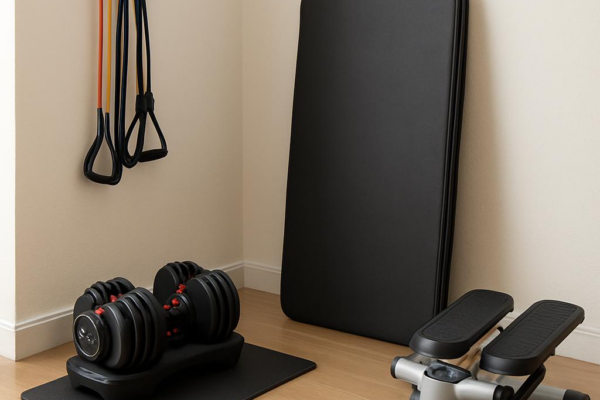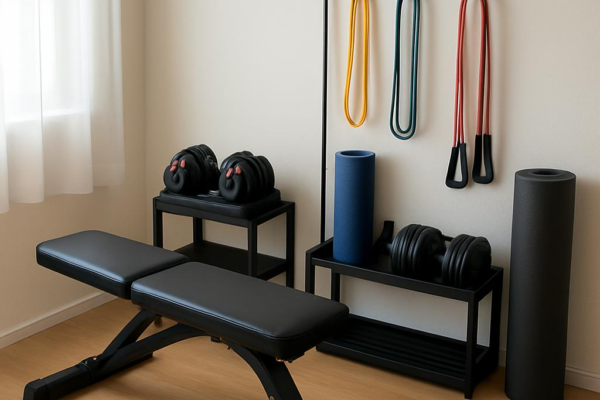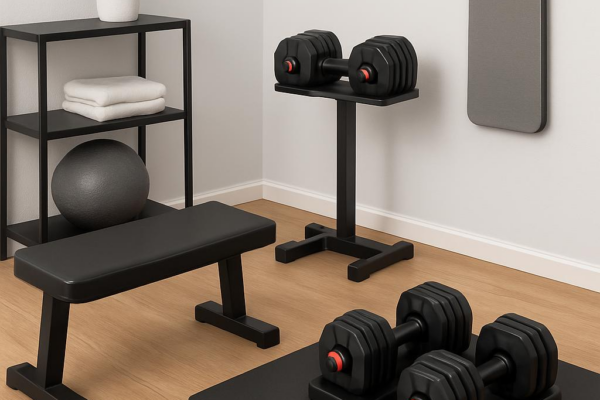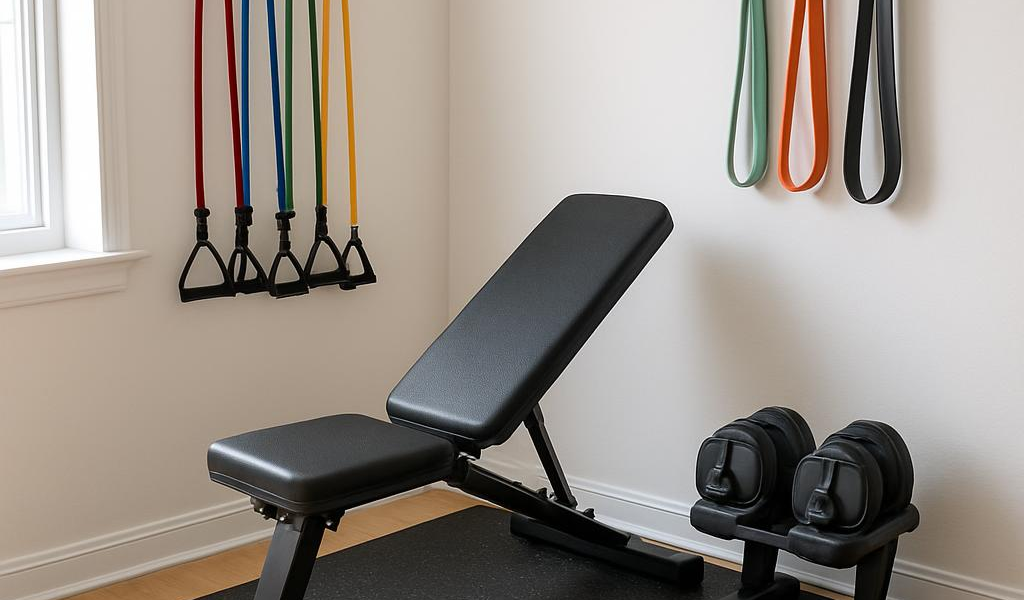
Compact home workout equipment is appealing for one main reason: it promises a workable fitness routine without needing a dedicated gym room. But compact gear is only worth buying if it is genuinely useful, not just physically small. The best equipment for a tight home setup is usually gear that supports many exercises, stores easily, and fits the way you actually train.
Too many buyers choose equipment based on novelty, trend, or the hope that one machine will solve motivation. A better approach is to start with training needs first and square footage second. Once you know what type of workouts you want to do, it becomes much easier to filter out gear that looks clever but adds little value.
Quick Verdict
For most small-space home gyms, resistance bands, an exercise mat, and a compact strength tool such as adjustable dumbbells provide the best mix of value, variety, and storage efficiency. Larger equipment should come later, if at all.
What Counts as Good Compact Equipment
- Versatile: supports multiple movements instead of only one niche exercise.
- Easy to store: fits your home without becoming permanent clutter.
- Appropriate for your level: useful now, not just aspirational.
- Realistically repeatable: easy enough to use often, not occasionally.
Best Compact Equipment Categories
Resistance Bands
Bands are often the strongest first purchase because they are inexpensive, compact, and useful for full-body training, warm-ups, mobility work, and travel. They are not perfect for every goal, but they are hard to beat on value per inch of storage space.
Adjustable Dumbbells
These make a lot of sense if strength training is a real priority. They cost more than bands, but they replace multiple weight pairs and work well for presses, rows, squats, lunges, and carries.
Kettlebells
A kettlebell can be an efficient single-tool option if you already like the relevant exercises and are willing to learn them properly. It is less flexible than adjustable dumbbells for some buyers, but still very space-efficient.
Exercise Mat
A mat improves comfort, protects floors a bit, and creates a visual workout zone. It is one of the simplest purchases that still improves the overall setup.
Foldable Bench or Step
This can be useful, but only after the basics are covered. It should solve a real need, not just make the setup look more complete.
Buying by Training Goal
For general fitness: bands, mat, and one loadable strength option are usually enough.
For strength-focused training: adjustable dumbbells deserve higher priority.
For mobility, rehab-style work, or low-impact sessions: bands, sliders, and a mat may be all you need.
For cardio: be careful. Compact cardio devices often look practical online but still create noise, storage, and consistency problems in real homes.
What to Avoid
- Bulky machines bought before a habit exists
- Single-purpose gadgets with little progression potential
- Cheap equipment that feels unstable or unpleasant to use
- Impulse buys that solve boredom rather than a clear training need
How to Build in Phases
Phase 1
Buy the essentials: mat, bands, and one strength option.
Phase 2
Add storage, floor protection, or one accessory that expands exercise variety.
Phase 3
Add larger or more specialized tools only after you have proof that the routine is sticking.
Storage and Setup Friction
A compact home gym should be fast to start and fast to reset. If equipment stays in the way of daily life, it often gets used less. The best buying decision is often the one that slightly under-builds the gym at first instead of overfilling the room.
Final Verdict
The best compact home workout equipment is not the gear that looks most impressive online. It is the gear that fits your home, supports your actual routine, and stays useful month after month. For most buyers, a simple setup built around bands, a mat, and compact strength equipment will outperform a cluttered room full of gadgets. Start practical, train consistently, and let the routine earn future upgrades.